
A 10-Step Protocol for Transforming Your City's Civic Health
Turning civic deserts 🏜️ into civic forests 🌳
While JOIN OR DIE provided some answers to the “Why?” and the “What next?” for community life in America, JOIN 101’s goal is to respond to the desire we heard from viewers for more of the “How?”
In this week’s JOIN 101 newsletter, we are zooming out from the question of “What are you doing alone that you could be doing together?” and offering some interventions that go beyond individual action, addressing how cities and towns can better cultivate the local civic ecosystems in which clubs, neighborhoods, and relationships proliferate and thrive.
We hope you will share these ideas, add more of your own in the comments, and let us know if you get any off the ground!
Onward to the next American joining revolution,
Rebecca Davis and Pete Davis
⚡ Half of the civic energy in America is waiting to be activated ⚡
America suffers from both a social and institutional trust crisis. Fewer and fewer Americans trust their neighbors or the institutions — from hospitals and schools to corporations and governments — that make up our public life. The social trust crisis in America is about our lack of community — social trust correlates with social capital; trust decreases as community involvement decreases and distrust increases as social isolation increases. The institutional trust crisis is related to empowerment — you trust institutions more when you can participate in co-creating those institutions.
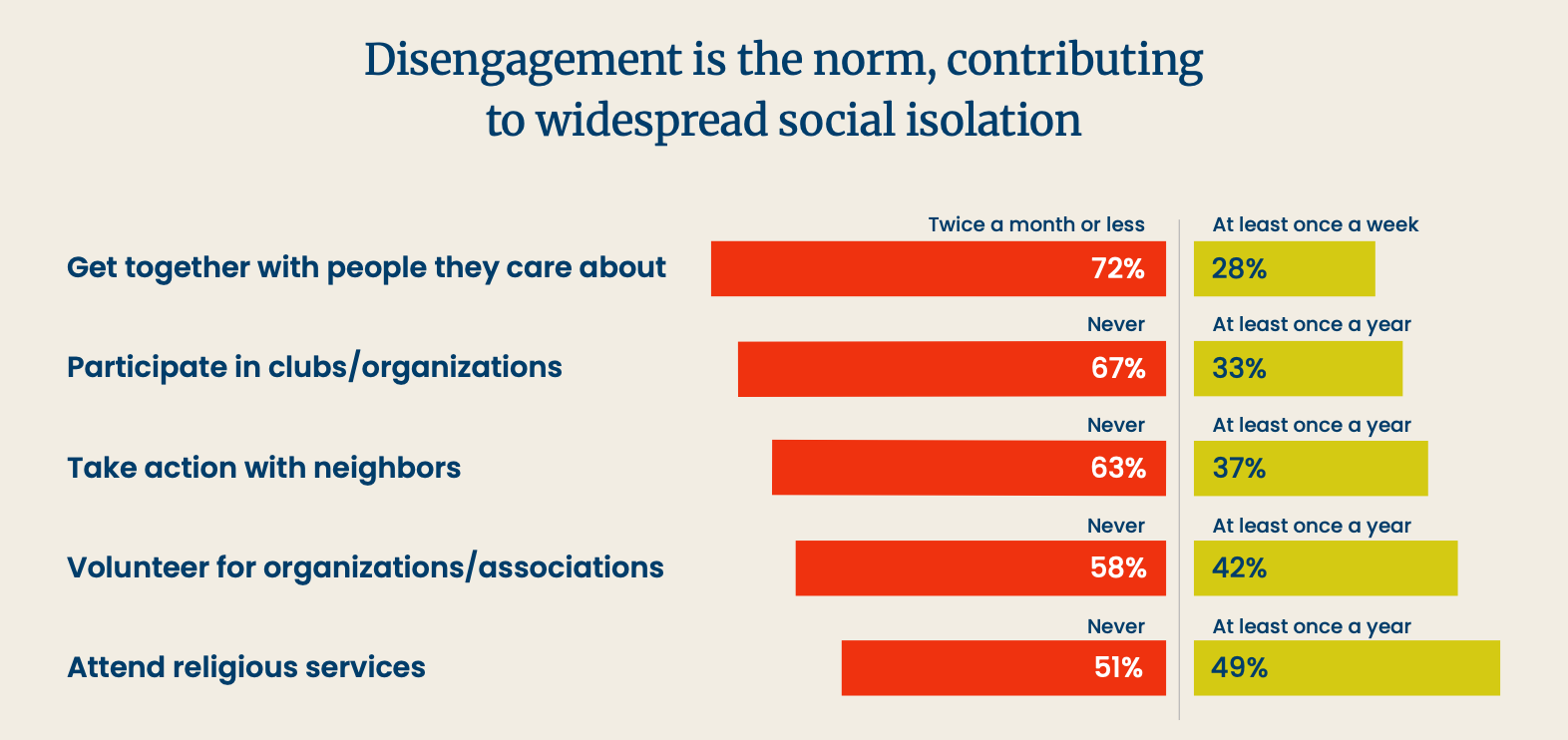
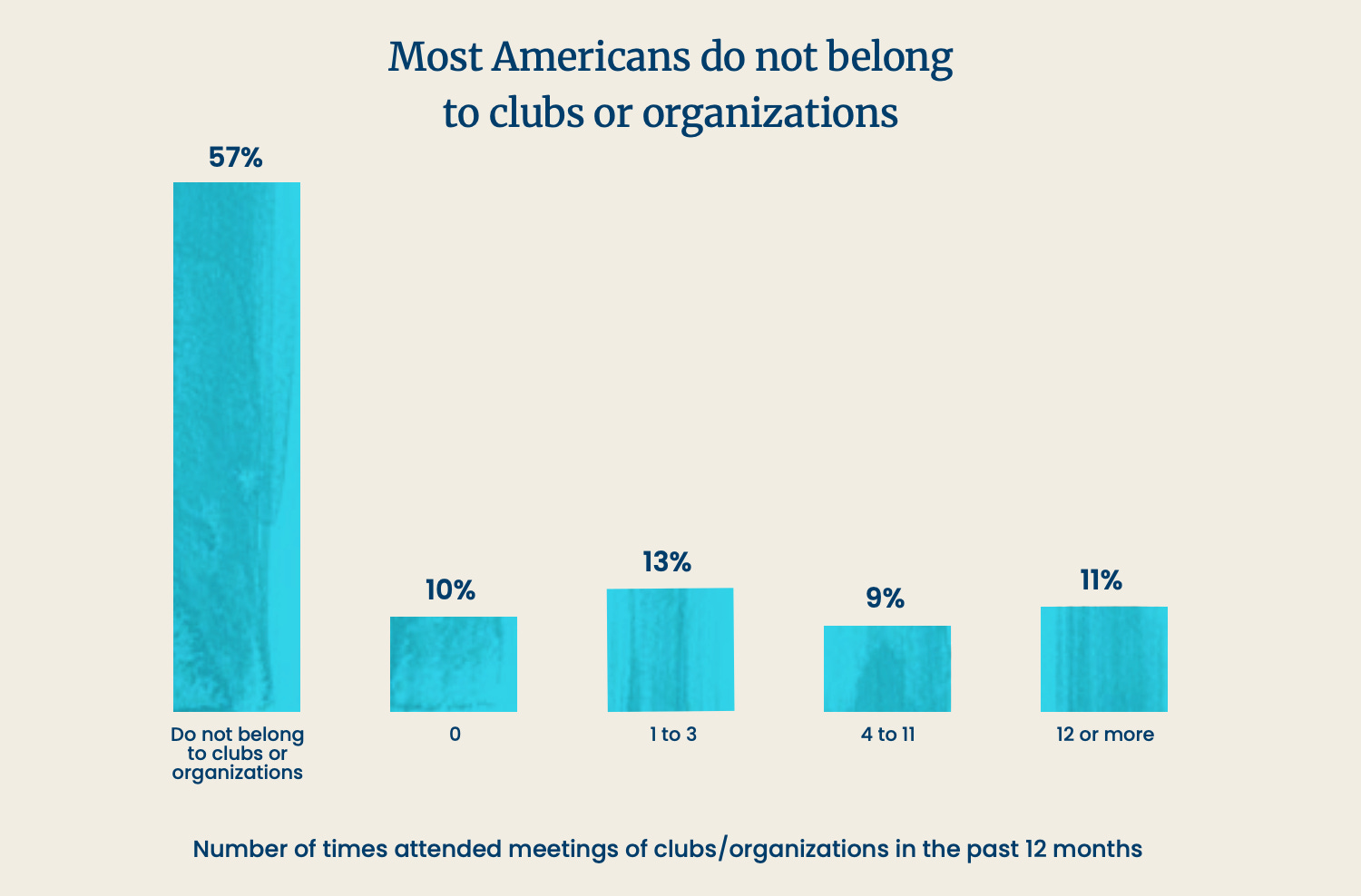
Where community and empowerment meet is in our associational life — in the clubs, organizations, congregations, and civic initiatives where we join with others (outside home and work, beyond market and state) to make things happen together. Therefore, we see our trust crisis as a joining crisis. When 57% of Americans do not belong to a single organization, it is no wonder people feel disempowered, isolated, and distrustful.
The path out of this joining crisis is to cultivate localized joining cultures. As political scientist Hahrie Han has shown in her “civic opportunity” research, perhaps the most significant factor in whether people participate in community life is whether there are nearby opportunities to participate — whether there is a flourishing of civic associations and initiatives, from pickleball leagues to neighborhood improvement associations to participatory programs within local institutions.
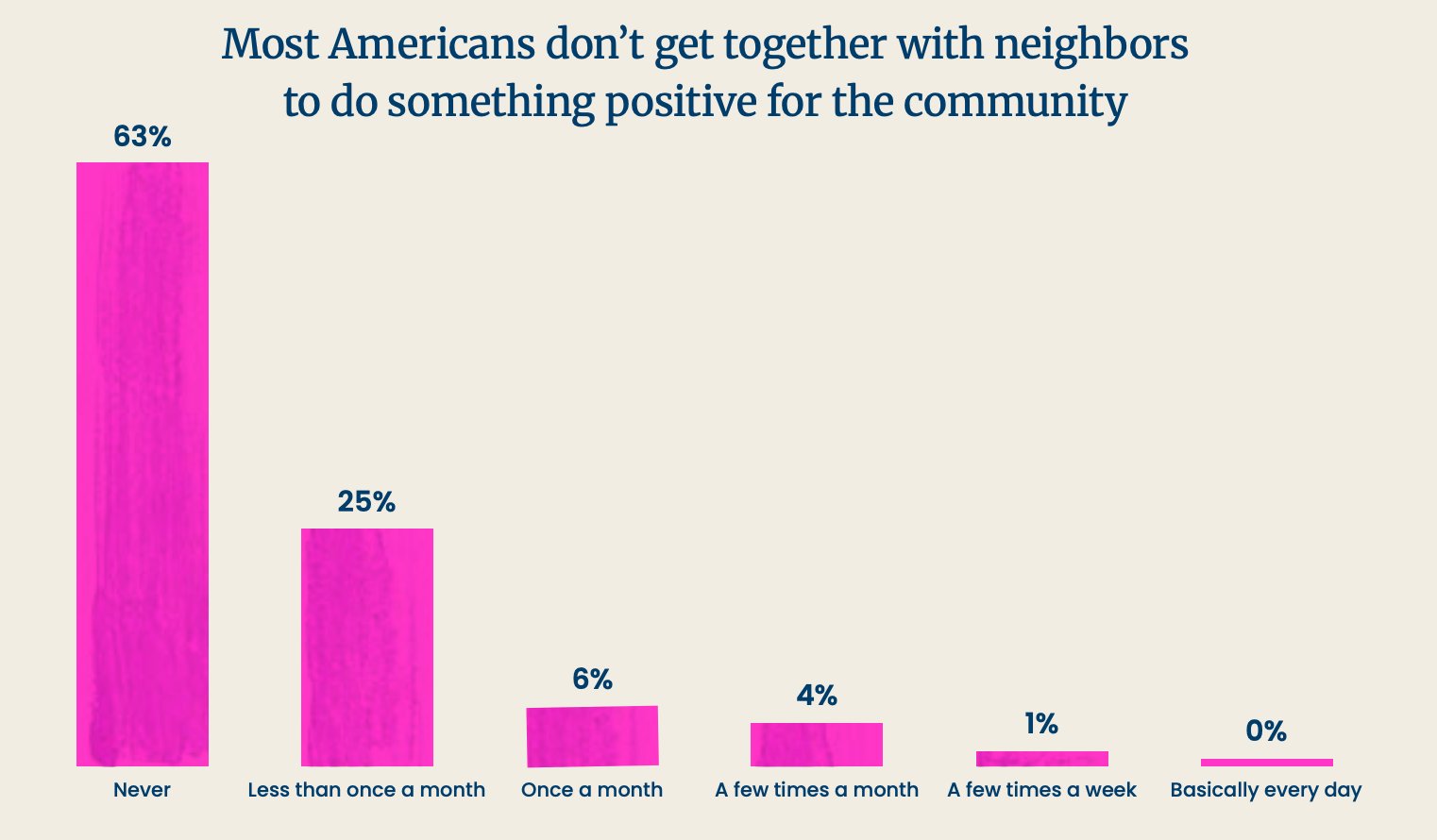
The task at hand then is to take civic deserts across the country and rejuvenate them into civic forests — a process we call civic development.
Much of the discourse around civic decline is doom and gloom, but here is another way to think about it: If half of Americans are currently left on the sidelines of civic life, that means we could double our nation’s civic energy if we can figure out how to invite more people into participation.
Here are ten ways communities can begin to do just that.
Ten interventions for deepening your city’s local civic culture
1. Kickstart a local conversation about your city’s community life
Cities can be read through different lenses — the economic lens (are our businesses thriving?), the public health lens (are our people healthy?), the preparedness lens (can we weather a crisis?), etc. To commence a local civic development process, gather neighbors to look at your city through a new lens: the civic lens.
You can start by asking about where things stand: What does our local civic ecosystem look like right now? Are clubs thriving? Are people participating? Do neighbors know each other?
And then move towards envisioning the future: What could our community be if we cultivated it more together?
Over 500 communities have, for example, used screenings of JOIN OR DIE as an organizing tool to bring neighbors together to start this local conversation. Others have used book clubs — around books like Bowling Alone, The Art of Gathering, or Palaces for the People — to get the conversation going.
An inspiring example: Last year, Leadership Ohio hosted a statewide tour around how to build local joining cultures in eight cities across Ohio.
2. Perform a Club Census and circulate results in a Club Directory
John McKnight and other proponents of asset-based community development (ABCD) argue that community-building initiatives too often begin from a deficit perspective, lamenting everything a community lacks. ABCD flips the script, starting instead by seeing what your community already has and working to make those existing community “assets” more visible to everyone in town.
A great way to do this is to conduct a Club Census: a process where you attempt to identify every civic association in town. This includes:
Community organizations (clubs, leagues, congregations, cooperatives, etc.)
Routine community events (social art classes, salsa dancing nights, monthly school board office hours, etc.)
Participation opportunities (volunteer shifts at the hospital, municipal boards and commissions, neighborhood block captain programs, etc.)
Local information sources (local newspapers, newsletters, Facebook groups, email lists, Instagram accounts, etc.)
Once you have gathered this information, make it publicly accessible in a Club Directory, which can be hosted both online and in print.
Here is what is especially great about the census process: It not only produces a great club directory; the process itself helps organize various organizational leaders into seeing themselves as part of a shared civic ecosystem.
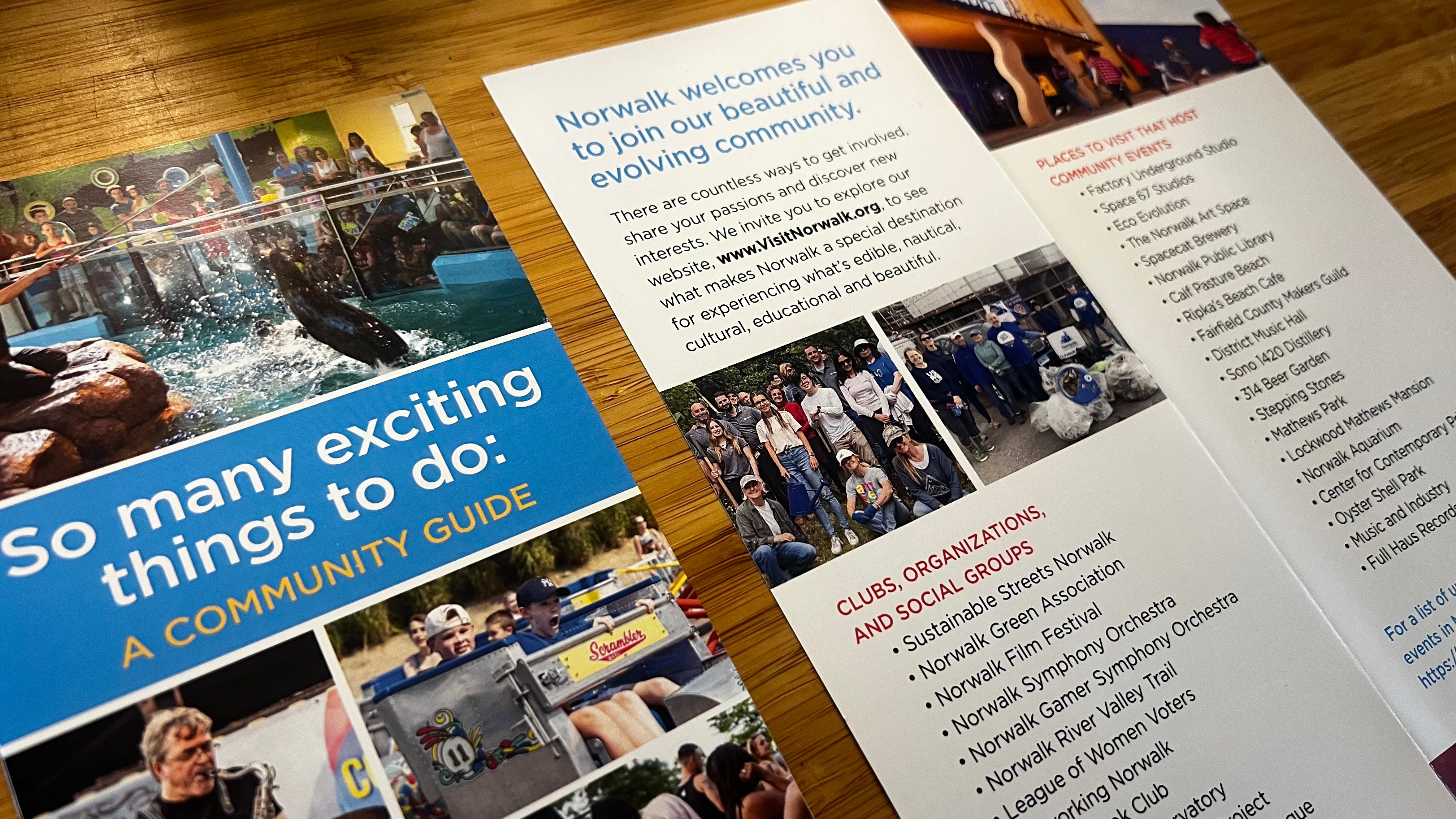
An inspiring example: Tony Bacigalupo’s club directory in Norwalk, Connecticut. Hear our interview with Tony about it here.
3. Throw an annual Joining Fair
One of the most common refrains we hear from audiences at JOIN OR DIE screenings is: “I want to get involved, but I don’t know where to start.”
A great way to create a “front door” to local joining is through a Joining Fair — an annual event where every community group in town is invited to set up tables to recruit new members at a shared time and location. (Think: a college activities fair, but for the whole city.)
These events achieve multiple local civic development goals at once:
They provide an on-ramp to civic participation for people who are new to local joining
They help organize local civic leaders into doing things together
They help your community literally see its local civic ecosystem (IRL!) as a whole — as something more than just the sum of individual neighbors, organizations, websites, or processes.
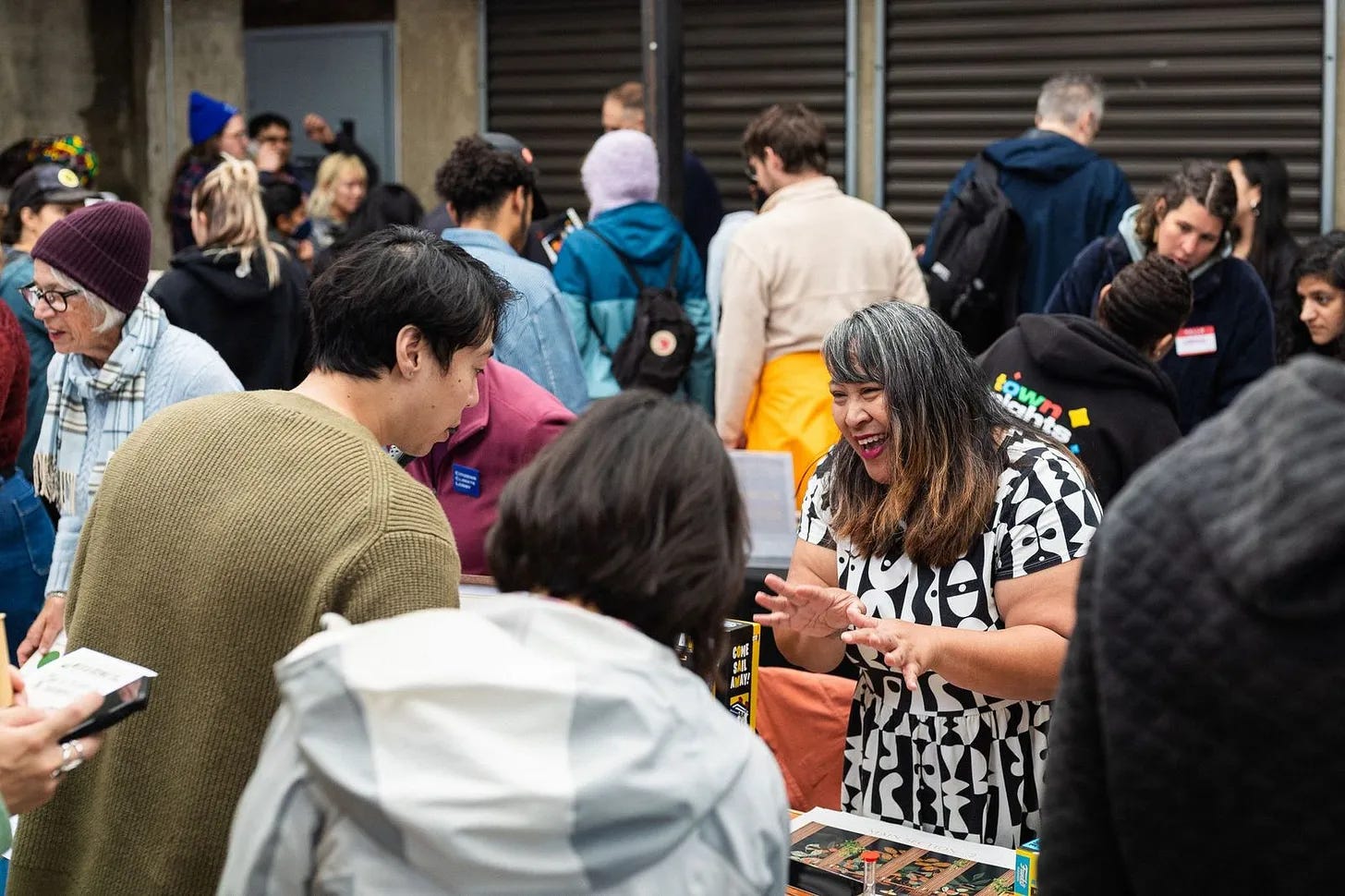

Two inspiring examples: Past JOIN OR DIE screening hosts, Jared Joiner and Brian Adoff, just wrapped two wildly successful Joining Fairs in Philadelphia and Oakland that were attended by thousands of community members.
4. Map local meeting spaces
Here’s one way to think about the task of local civic development: (1) List every element that a successful community group needs to launch and thrive; and then (2) Ask how your city can better provide for those elements.
Take meeting space as a prime element: Clubs need places to gather, so one concrete way cities can support club leaders is by helping connect them to places where their groups can meet.
Instead of having every group figure out local meeting spaces on their own, communities can come together to map every meeting space in town and publicize a directory of meeting spaces.
Meeting spaces in the directory could be both municipal (like library rooms and community centers) and privately-managed (like gathering rooms in local restaurants, office buildings, or congregation halls) — and entries in the directory could include:
Where the meeting space is
What the holding capacity is
What dates and times are available
What amenities are provided
How to book the meeting space
If communities want to take this task to the next level, they could even work to unify the online booking process for local meeting spaces into a single local portal.
Even more, they could use the mapping and directory process to spotlight and celebrate various “third places” around town, through events like walking tours or rotating happy hours. (Hear our interview with Jared Joiner about his rotating happy hour, Revival Rounds, in Oakland, California and our interview with John Crowley about his rotating Social Crawl in Petaluma, California.)
Here is an added bonus that comes from mapping local meeting spaces: It surfaces gaps, inspiring the creation of new meeting spaces in town.
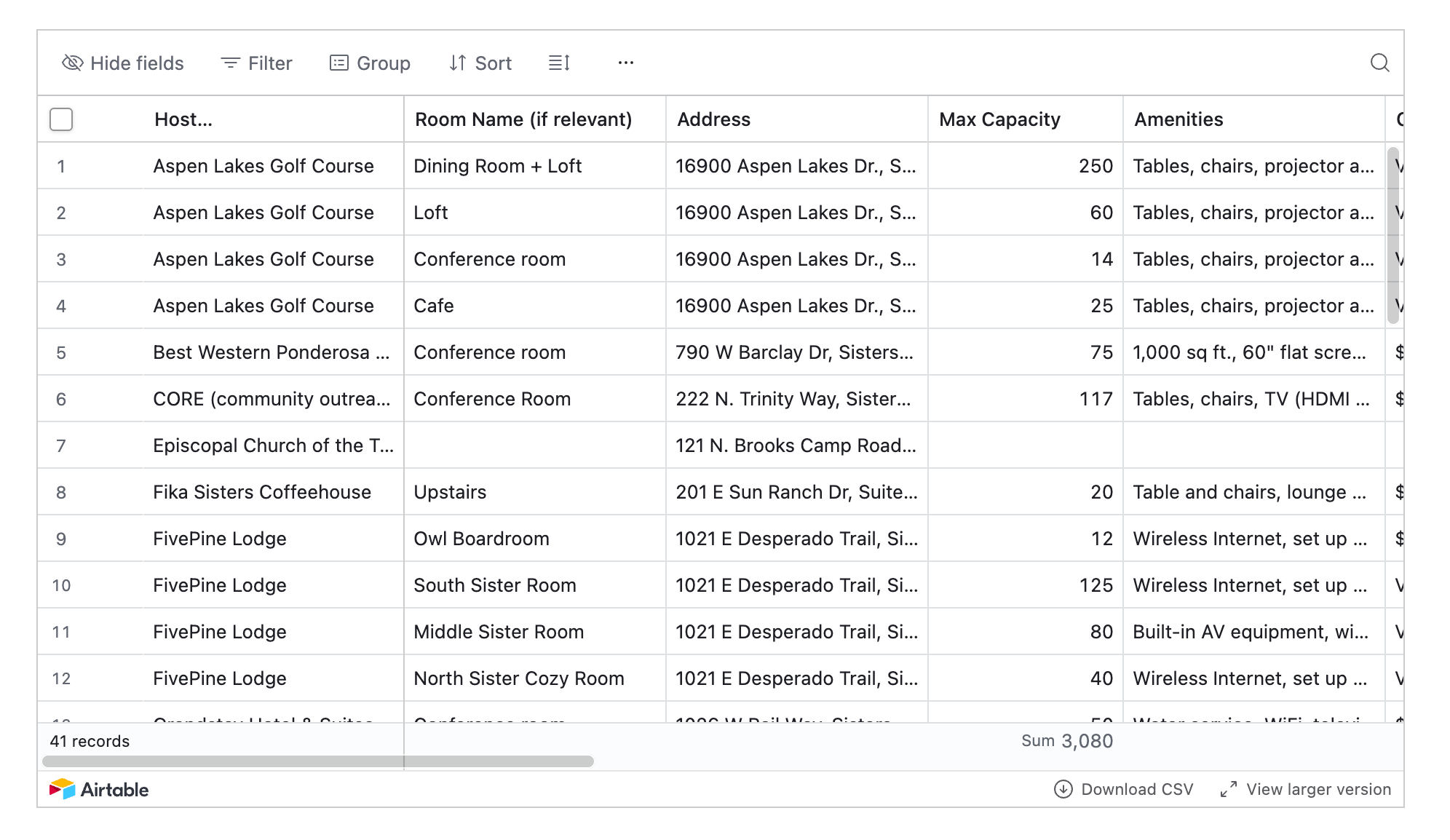
An inspiring example: Citizens4Community’s meeting space directory for Sisters, Oregon.
5. Create and steward a local events calendar
We have been promoting the question “What are you doing alone that you could be doing together?” as a method of sparking ideas for new clubs: If you’re cooking alone, you could start a cooking club; if you’re walking alone, you could start a walking club.
But existing club leaders can also use the same question to deepen their local civic culture: What are local community-builders doing alone that they could be doing together?
You can see how that question can lead to many of the civic development steps on this list. Are you finding meeting spaces alone? Create a shared Meeting Space Directory. Are you recruiting members alone? Co-host a Joining Fair together.
The same goes for promoting events — instead of promoting their events alone, local organizations can pool their audiences into a common local events calendar that promotes all local events in town.
There are various local events boards across the internet, but many are ghost towns — poorly designed, moderated, and populated. The best local events boards are created and stewarded locally with love and care—organized in a person-to-person way as a shared community resource, and designed with civic-spirited neighbors in mind.
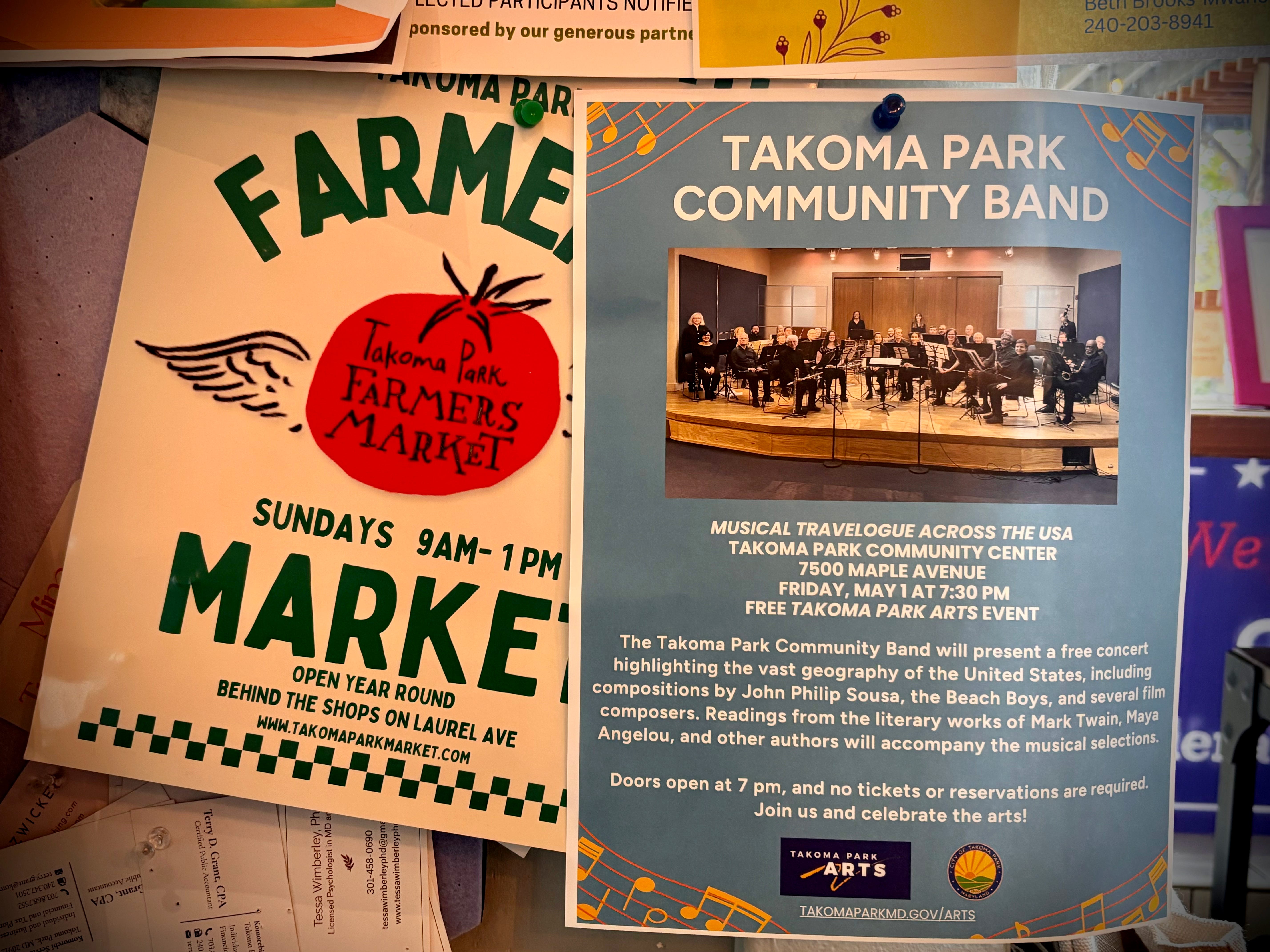
An inspiring example: The Mt. Pleasant Community Calendar in D.C., organized by a team of neighbors. Check out this video of a recent ribbon cutting for their digital calendar QR code that was recently added to their physical bulletin board.
6. Create and steward a local announcements bulletin
Where do you go if you want to share important information with your city?
Beyond events and meetings, local clubs need to get the word out about non-event announcements—from “We are collecting cans for our holiday drive” to “We are seeking nominations for our annual award” to “We are starting a new book club this year that we invite you to join.”
Organizing a shared announcements bulletin helps clubs reach more neighbors while helping neighbors reach more clubs.
For centuries, this role (alongside stewarding local events calendars) has predominantly been taken up by local newspapers — so one method for unifying local announcements is to encourage your city’s local newspaper to streamline the process of submitting and distributing local civic announcements. However, with the thinning out of many local news outlets, some cities may opt to organize standalone bulletins co-created by neighbors to fill in the gap.
Just like with local events calendars, local announcements bulletins only work if designed and stewarded with local love and care, serving both the interests of clubs seeking more awareness of their initiatives and neighbors seeking quality, organized information about what is needed around town. Local announcement bulletins can be organized as standing email listservs, chat groups, a single curated email or printed newsletter that goes out weekly or monthly—or all the above!
Here’s an effort that pairs well with the launch of a local events calendar and announcements bulletin: Visit all the brick-and-mortar businesses in town and encourage them to put up physical bulletin boards (if they don’t already have one) that can be used by local clubs to share events and announcements.
7. Organize a monthly Community Builders Gathering
Almost every community across the country organizes local business leaders into chambers of commerce that focus on the economic development of their cities.
Why shouldn’t every community also organize local community leaders into groups that focus on the civic development of their cities?
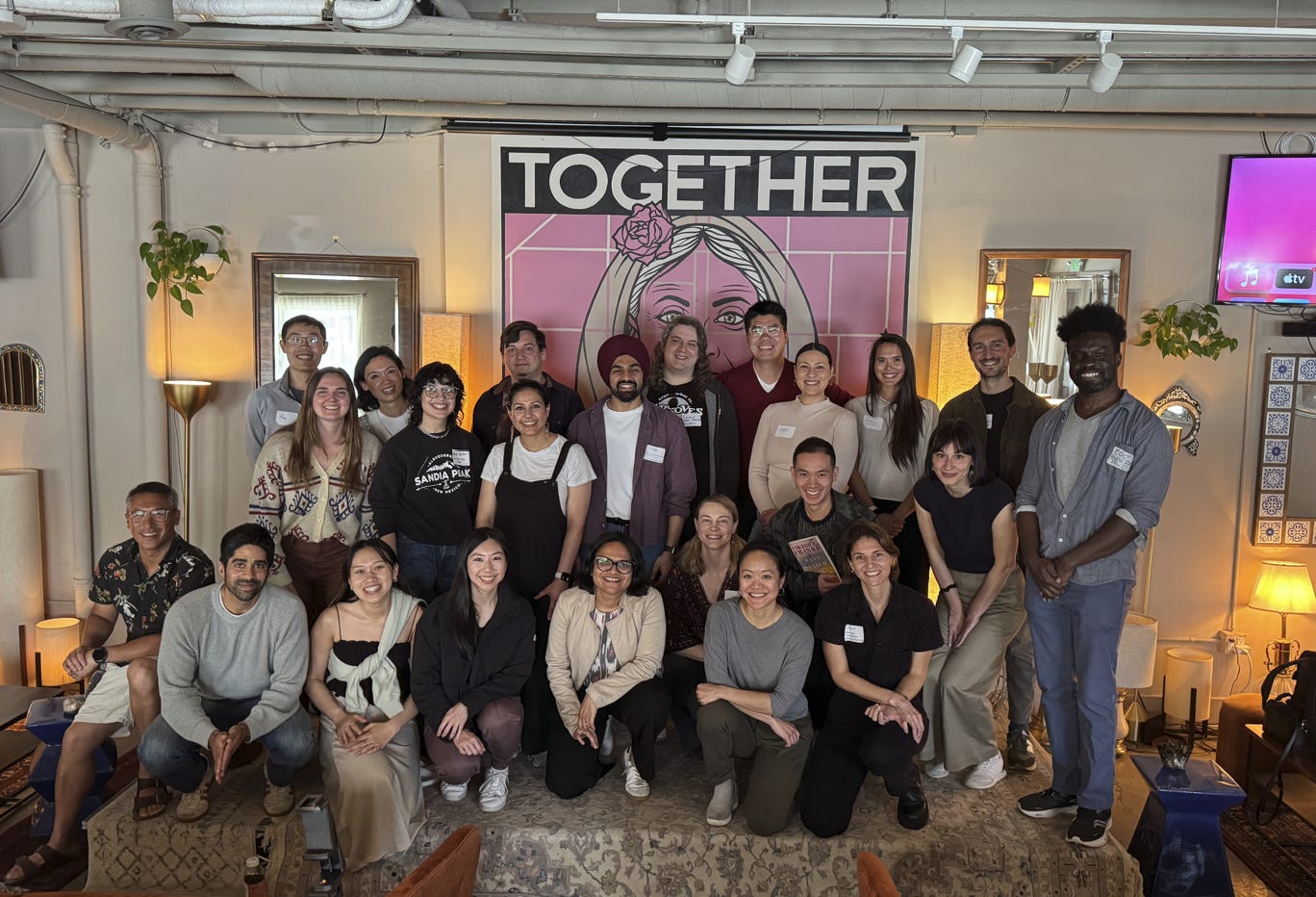
To kick off this effort, you can organize a monthly meeting of local community builders. Kellen Klein in Sisters, Oregon runs his monthly Community Builders Meetings this way:
He invites anyone who sees themselves as a community builder in town
He hosts the gatherings at rotating locations that spotlight local community groups and meeting spaces
At the center of every gathering is a process where every community builder is asked to share either: an update, a need, an offer, a dream, or gratitude.
Hear our interview with Kellen about his monthly Community Builders Meetings here.
Another great example is Build IRL, a ‘club accelerator’ launched by past JOIN OR DIE screening hosts Saumya Gupta and Colton Heward-Mills to organize, nurture, and celebrate club leaders across San Francisco. You can follow their work here.
8. Host “new to town” meetups to orient new residents to the local civic community
Veteran community organizers like to talk about the power of “the ask.” Often the major reason someone joins something, we forget, is simply because someone asked them to join.
When we move to new cities, we often feel reluctant to butt in on what’s already going on in town. That is why it’s so important for communities to help break the ice by affirmatively asking new residents to join up with local civic organizations.
A simple method for doing this is to host quarterly “new to town” meetups, in which new residents are invited to an event where they can meet other new residents in the same boat as them, learn from local community leaders, and get introduced to the various aspects of civic life in their new city.
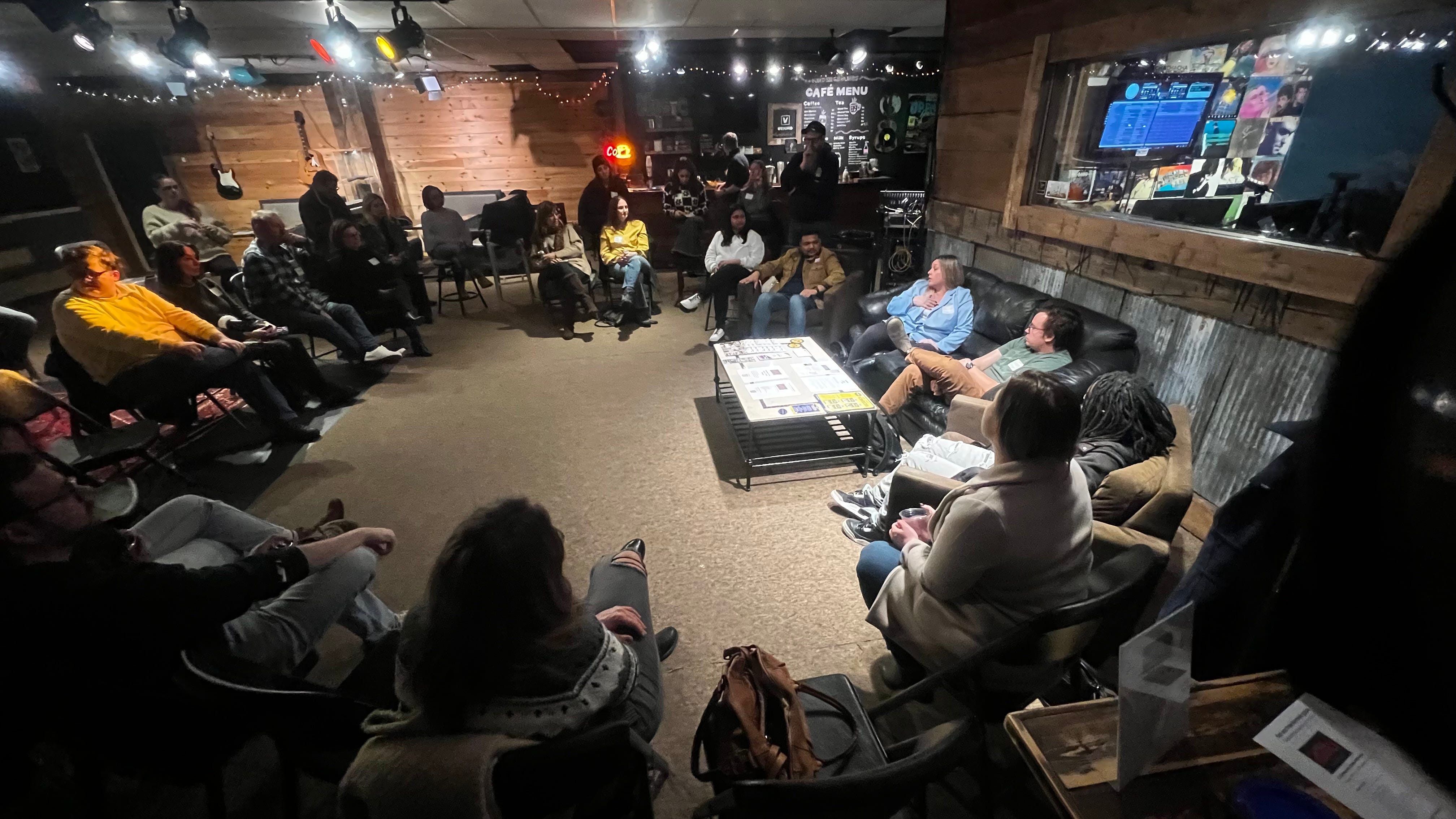
An inspiring example: Tony Bacigalupo’s “New in Town” meetups in Norwalk, Connecticut. Hear our interview with Tony about Norwalk’s meetups here.
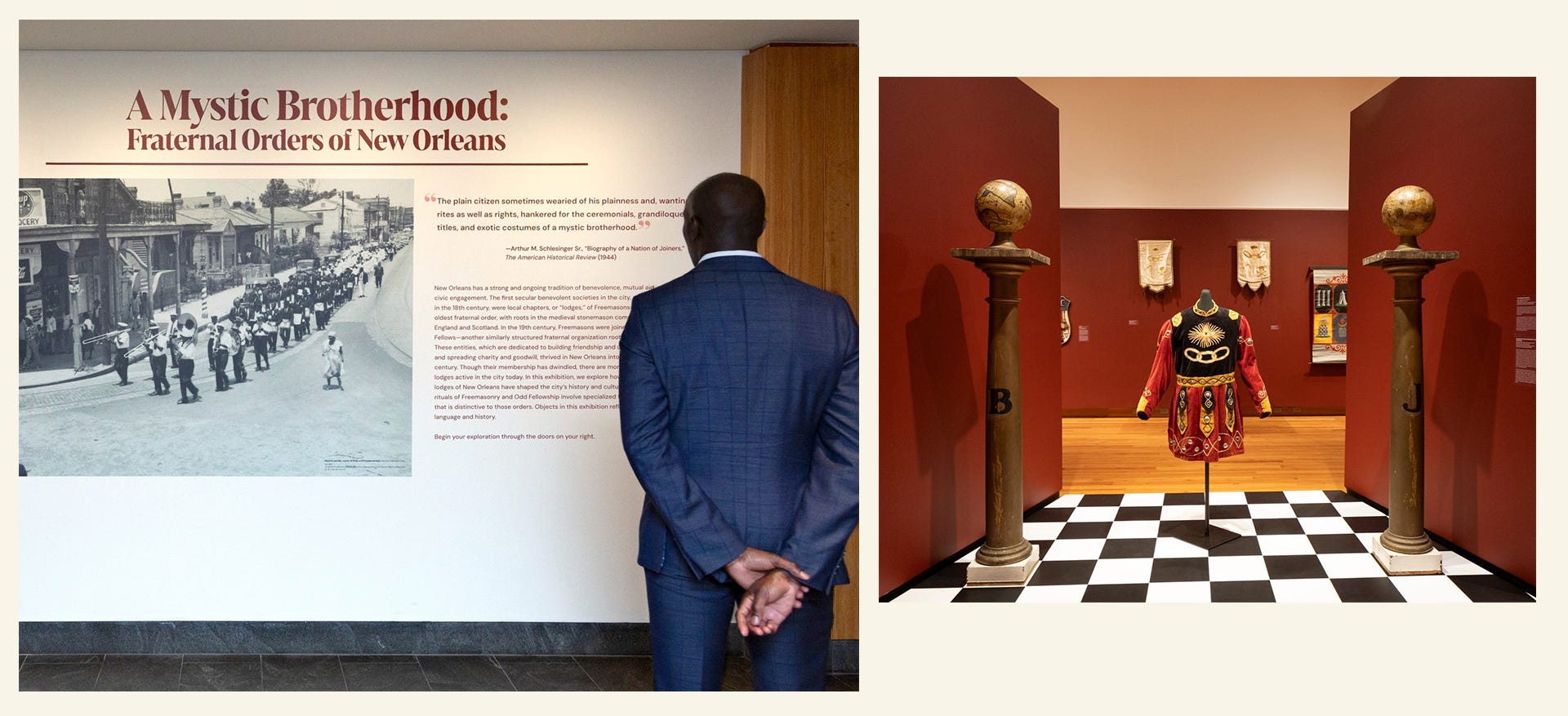
9. Research and celebrate local civic history
Archivists like to say: “We preserve the past for the future.” The phrase cuts two ways. Literally, it means saving artifacts so future generations can see them. But more significantly, the simple act of historic preservation affirms something much deeper: that the civic work we are doing now to create the future matters.
When a community learns its civic history — especially the history of clubs and associations in the city — it is a powerful inspiration for civic work today. Sometimes this inspiration is literal: a forgotten civic event or organization is rediscovered and then revived in a new form. But the deeper gift is something else: understanding civic history helps current residents see themselves as part of a larger story, one that gives their civic work greater meaning.
Thus local civic development is aided by any attempt to research and popularize local civic history: historic walking tours, trails, and markers; annual history days; Dig Where You Stand research projects; local museums, galleries, archives, and historic societies — they are all helpful. (If most people in your city cannot name three people or organizations that made your community what it is today, you know your task at hand!)
Especially helpful are efforts to enshrine civic history as it is happening. For example, creating a local hall of fame (or walk of fame) complete with induction ceremonies, oral histories, and enshrined information on past inductees helps send a message to all civic organizers: What you are doing is worth celebrating and remembering.
10. Dream up a civic wish list
Club directories and Joining Fairs, calendars and bulletins — these practices of civic development make visible everything your local civic ecosystem already contains. But they also reveal what’s missing.
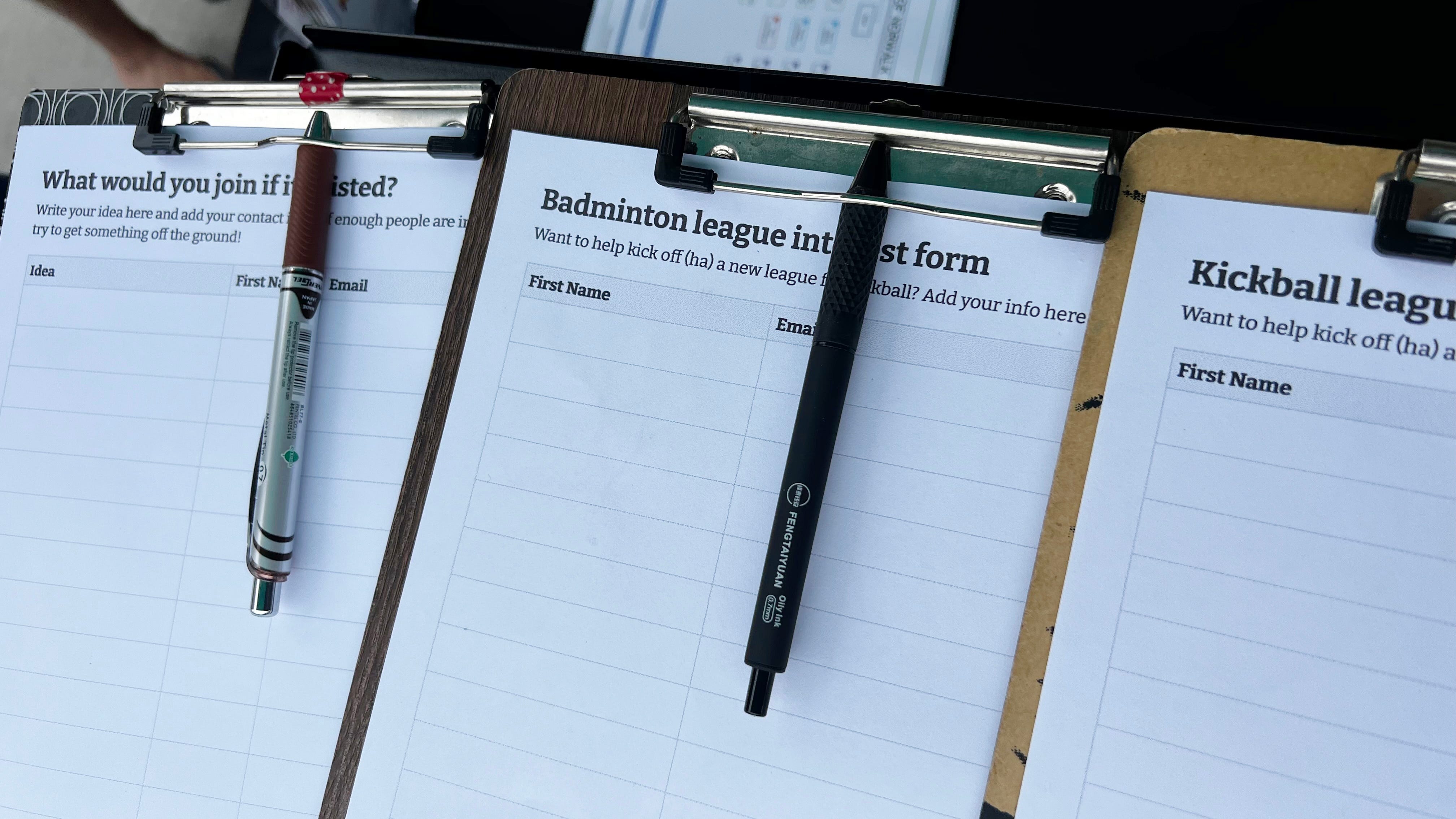
This is why a great next step is to make this “gap finding” explicit by surveying your community about their civic dreams — about what clubs and civic initiatives do not yet exist, but should.
As we have toured JOIN OR DIE, we keep hearing the same thing from successful community organizers: “I never thought anyone would want to join my club…but then, to my surprise, a bunch of people showed up to the first meeting!” In our age of social isolation, we often underestimate the interest that is out there for any community-building effort — and millions of clubs have never been launched because of the false belief that no one would be interested in joining up.
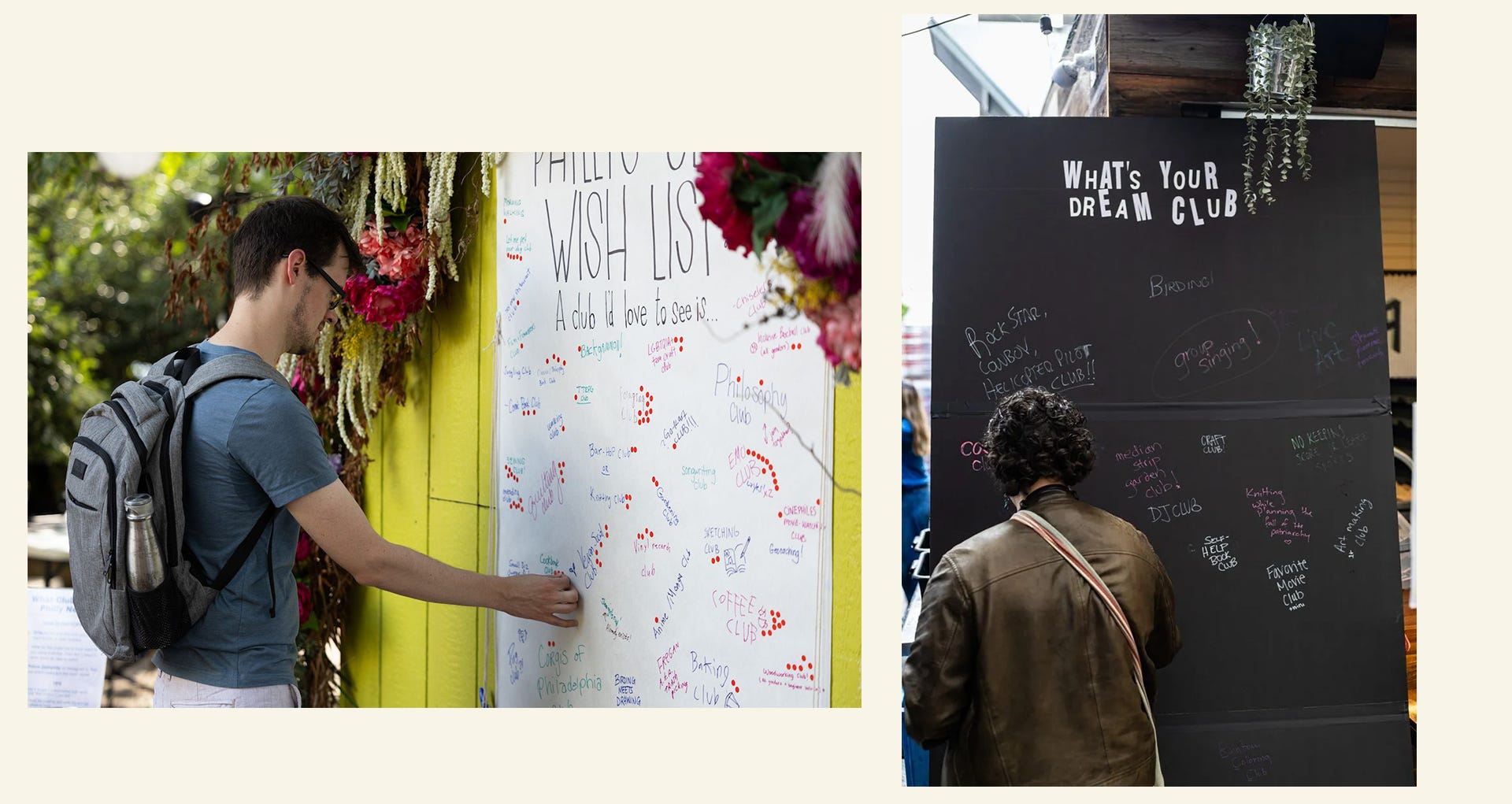
“Civic wish lists” help potential community leaders overcome this fear, for they demonstrate demand — and, even better, can provide an initial list of interested neighbors ready to sign up.
Watch JOIN OR DIE
We have now left Netflix, but you can still preview the film at home at WatchJoinOrDie.com — and, after that, inquire about hosting a screening event for your community at HostJoinOrDie.com.
🍿 Host a community screening of JOIN OR DIE
Want to host a JOIN OR DIE screening with your community? Let us know using the button below and we’ll get in touch with more information about how to host:
Or join us at our next JOIN OR DIE Community Screening Info Session with Co-Director Rebecca Davis:
JOIN OR DIE on Las Culturistas

📣 Help us spread the word
Have more ideas to add to the list or experiments you have been trying out in your city? We would love to learn about them! Comment below — and share this post with others in your community:
We must engage out communites and go to where they are