
This is JOIN 101’s sixth installment of “What are you doing alone that you could be doing together?” — a series highlighting civic innovators we’ve encountered on JOIN OR DIE’s community screening tour who have asked themselves this pivotal question…and put their answers into action.
This week, Kellen Klein shares his journey of bringing local leaders in Sisters, Oregon together in a series of monthly meetups that are sparking new connections.
You can listen to Kellen’s story above and find the full transcript and helpful resources below. If you or someone you know is ready to follow Kellen’s example of gathering neighbors in creative new ways — share this story…and let us know what you create!
Onward to the next American joining revolution,
Rebecca Davis and Pete Davis
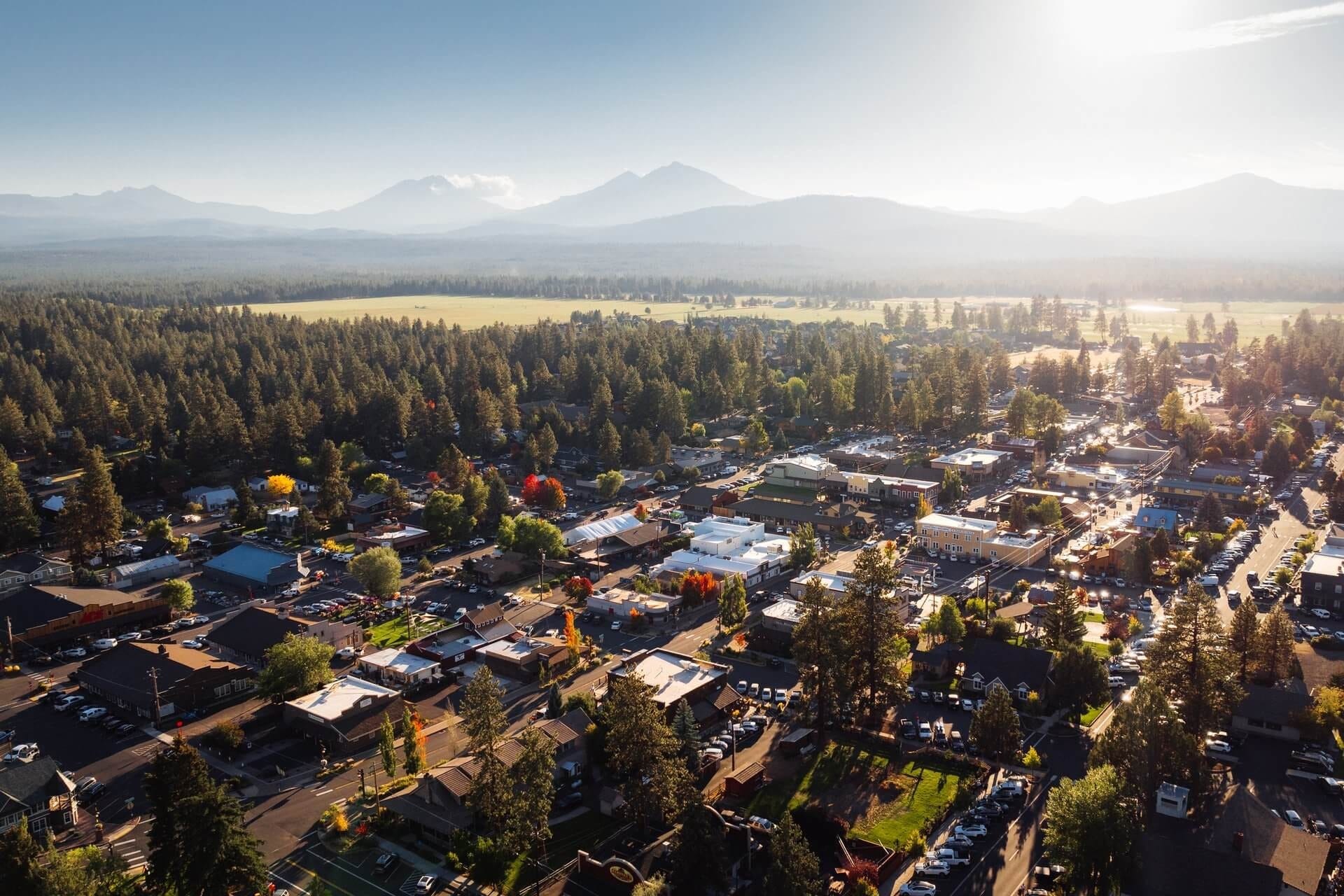
Rebecca: Today we meet Kellen Klein, who fell in love with a small town in Oregon.
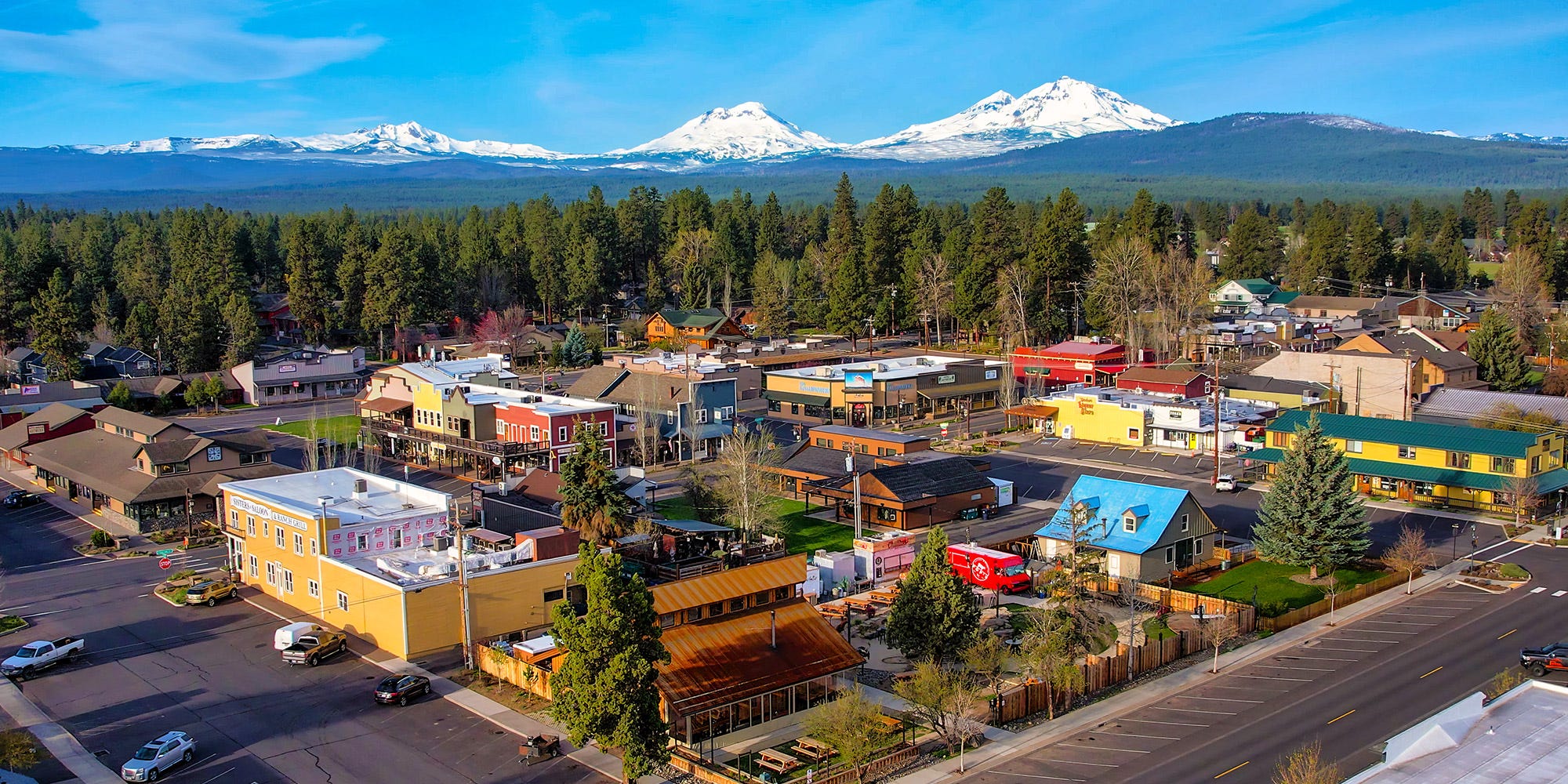
Kellen: My family and I had started coming out to Sisters, which is this small town of now about 3,800 people in Central Oregon, close to Bend, just on the east side of the Cascade Mountain Range. We started coming out during COVID. We needed some open space with our kiddos where we didn’t have to get on a plane.
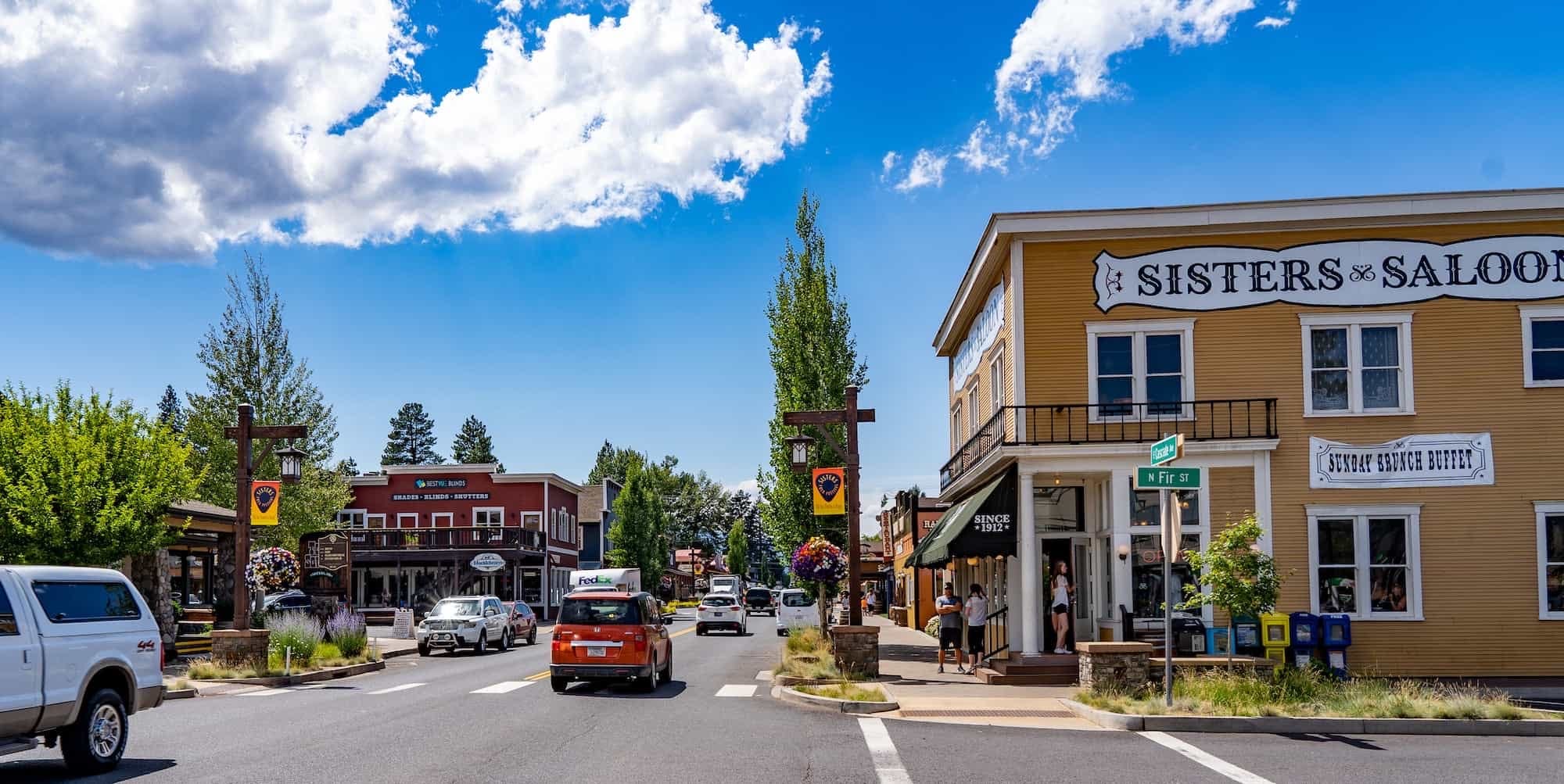
And when we started coming out here on vacation, we started making some friends, and then they introduced us to other friends. And oh, serendipity — we’re like one degree of separation removed from people that we both knew for one reason or another.
I just remember driving back one time and looking over at my wife and being like: Okay, when are we moving here? And she was like: Finally! The idea of being in a small, tight-knit community where we could really build our village was really appealing to us.
And so we moved here to build community. I’d had a mentor who had shared this quote: the scale of the solution doesn’t have to match the scale of the problem. And that started really resonating with me. As we moved here to Sisters, I was like, wow — doing stuff in the town where I live is an opportunity to chip away at these big global challenges: climate change, political polarization, wealth inequality, things like that. But at a scale that feels tangible.
Rebecca: If you’ve never been to Sisters, here’s how Kellen describes it.
Kellen: We really started out as a logging town. As with many other western logging towns, when logging kind of took a turn for the worst in the seventies and eighties, this town almost fell off the map. Then it became more of a tourist attraction and our town survived. And now our primary economy is based in tourism, but it’s very seasonal.
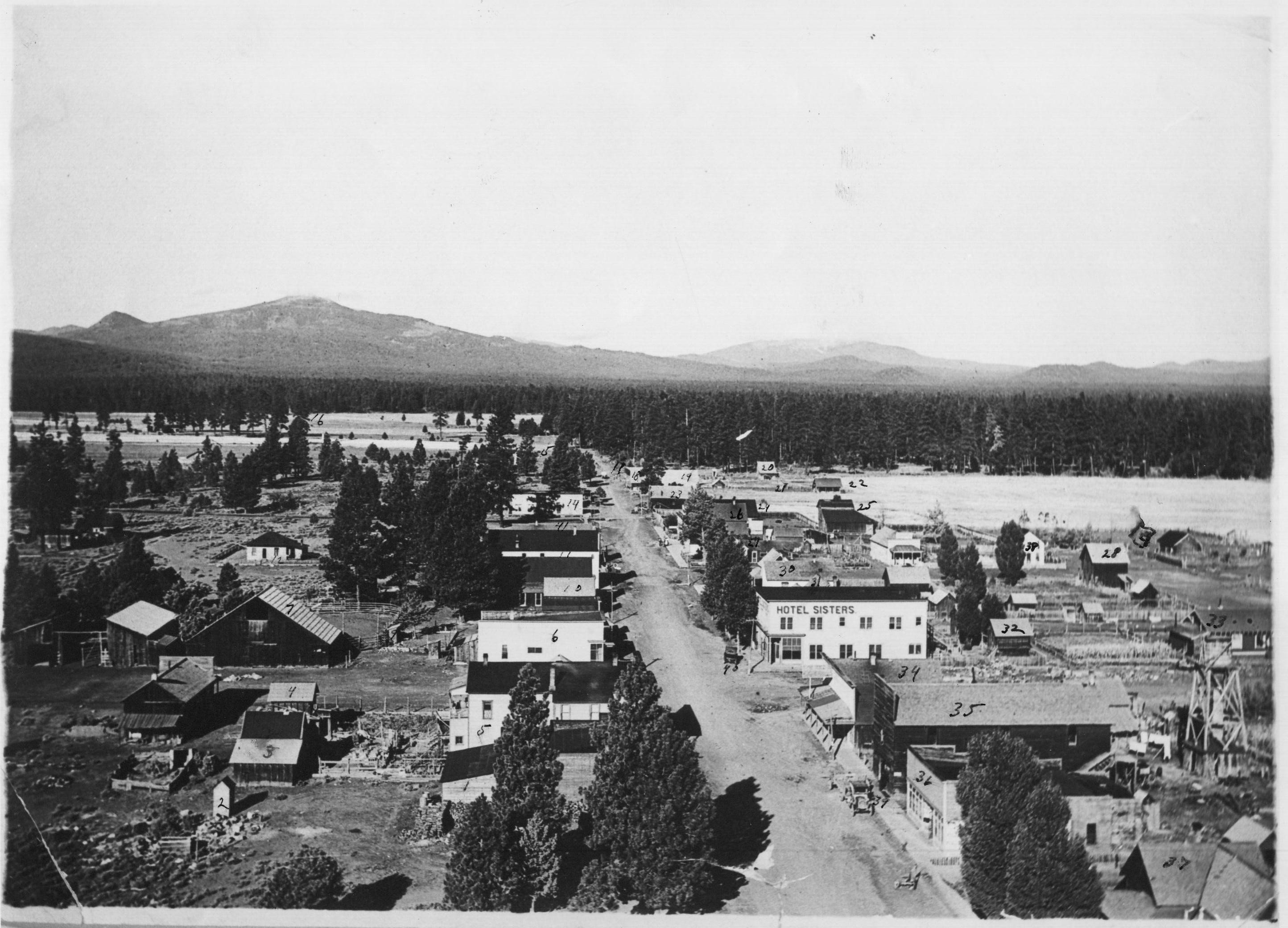
We are politically very purple — almost evenly divided. Over the past 20 years, our population of the town itself has doubled since 2005. We have dramatic wealth inequality, as do many of these gateway communities in the west. That has created tensions between the long timers — the people who were born and raised here, have been here 20, 30, 40 years — and those who have come in in the past four to five years. Wildfires are the biggest threat to our community. We got really lucky last year with a fire that burned 23,000 acres nearby but did not impact the town.
I’ve heard it described as a town where the hippies and the cowboys hang out, and that feels really true in all the ways that you could possibly imagine. We have these awesome folk festivals, but also the Sisters Rodeo — and we’re home to the world’s largest outdoor quilt show, which I highly recommend.
Pete: Soon enough, Kellen was at the helm of a local community organization.
Kellen: Citizens for Community (or C4C as we say for short) started in 2016 at a time when there was some stuff going on at a national level that was driving polarization, and it was trickling down to the local level as well. We had shouting matches at City Hall and the sheriff being called to escort people out of city council meetings and things like that. And our founders said: Hey, we need to remind people how to disagree without being disagreeable, or we’re gonna lose the je ne sais quoi of this town that makes it such a wonderful and charming place to live. We need to make sure that we can stick together as a community.
And so they founded this organization really focused on the civil discourse side of things — hosting workshops, bringing in outside experts to talk about best practices for civility at both the personal level and the community level.
But through that work, we kind of realized that you only get to that point when you can incentivize people to get together in other ways. And so we expanded out further and our core pillars of work now are civility, collaboration, and civic engagement. But I like to say that all three of those pillars sit on this foundation of social connection.
We have to start by just bringing people together and building trust. I’m not gonna feel incentivized to talk respectfully with you if I don’t know who you are — if I just think you’re some crazy person down the street with a political sign in their front yard that I don’t like. I need to know your name as a neighbor.
So we try and organize a bunch of events that are just no-agenda, designed to bring people together. My first rule of civil discourse is: don’t talk about civil discourse. That comes organically when you start bringing people together.
And then that’s like the top of the funnel, and we’re able to pull people further into community engagement. People feel more incentivized to work together to solve local problems. They’re willing to come to a town hall and talk respectfully about some hot topic facing the town.
Pete: One of C4C’s most popular gatherings is their monthly Community Builders Meeting.
Kellen: It’s open to the public, it’s informal — anyone is welcome. But here’s how we frame who’s invited, and I’m literally going to read you what we say:
Join local volunteers and organizational leaders for our monthly Community Builders Meetings. These gatherings are designed to help you connect with fellow changemakers in Sisters, share current individual or organizational priorities, needs and opportunities, discuss timely local topics and community challenges, and explore opportunities for collaboration and problem-solving. They’re open to anyone who calls themselves a community builder in Sisters country.
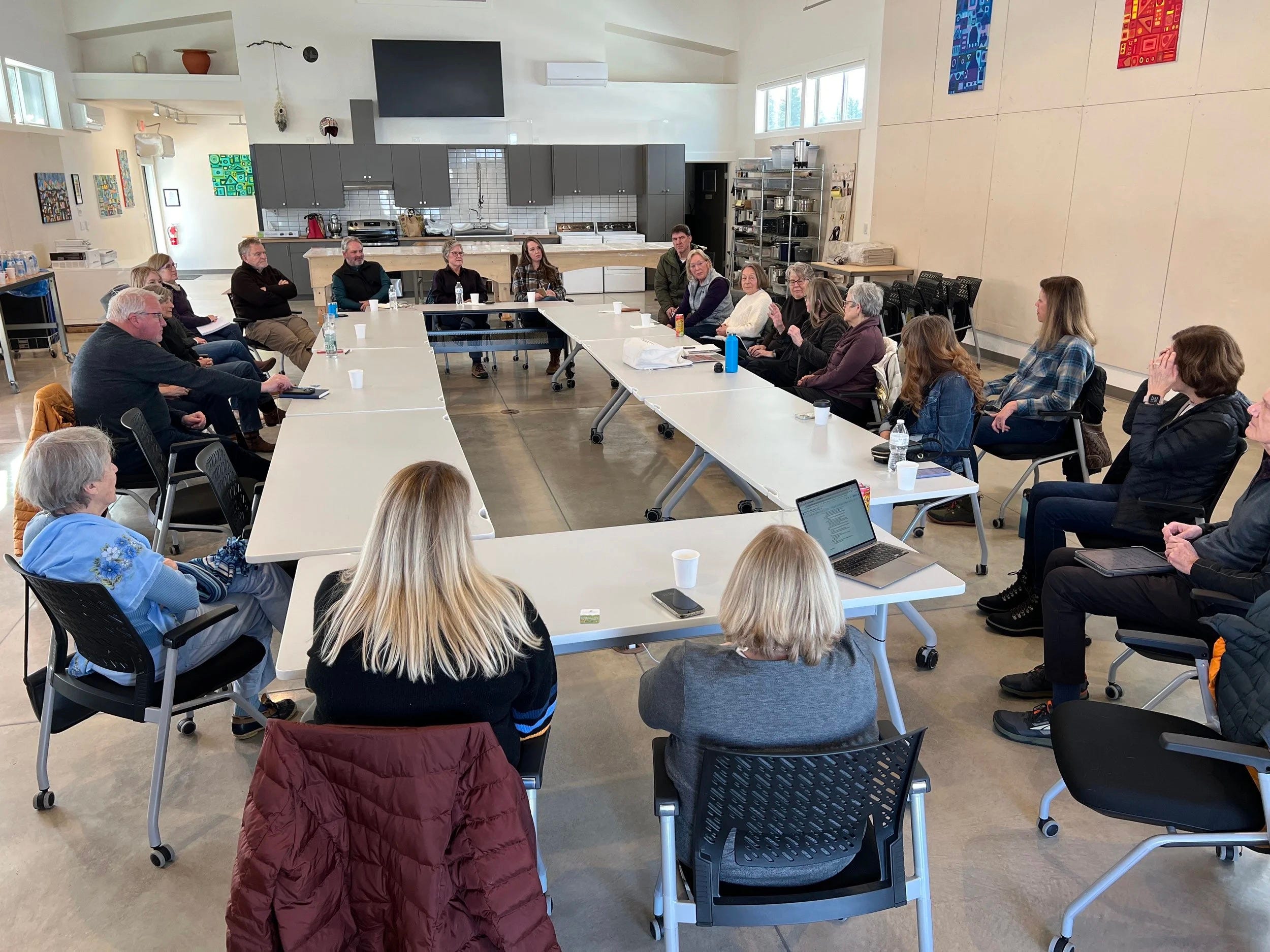
Pete: Here’s how the meetings work.
Kellen: We try to keep the model super simple. It happens once a month, at rotating locations around our community that have community built into their mission in some way. So, one month we’re at the local meatery. The next month we’re at a local therapy practice. Next month, we’re gonna be at a school-based health center. We went to the clay studio that just opened up. There’s always a rotating location, which helps get people coming back — they’re like, ooh, I’ve always wondered what was inside that building, that sounds super cool.
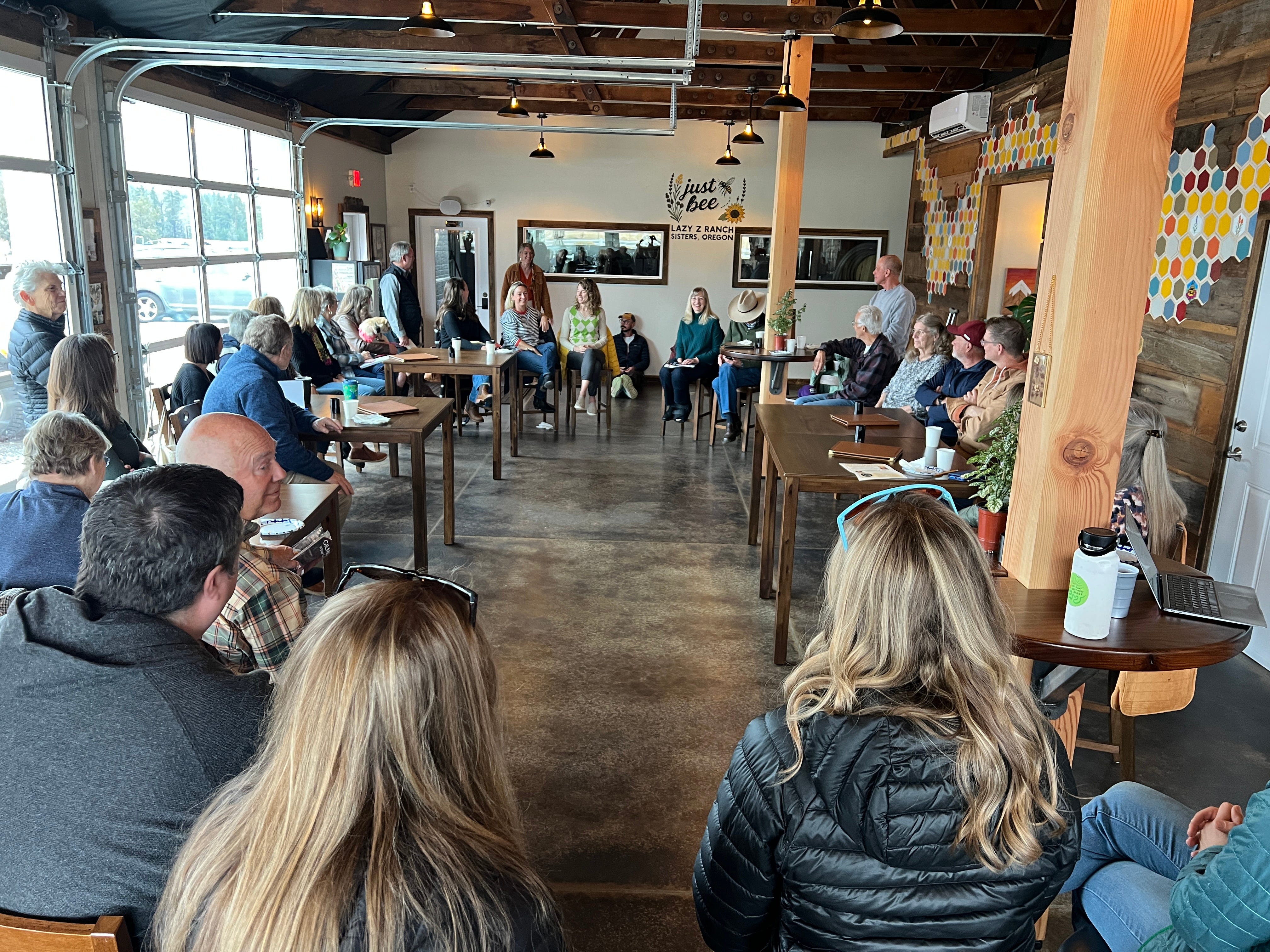
It starts with some opening remarks from our host talking about what they’re doing with their lives, what does community mean to them, where are they hoping to go, and how can the broader community support whatever it is that they’re doing.
And then there’s an open time for around-the-horn organizational updates. What our current model is — and I found it works well — is we do popcorn-style updates, and you can do one of five things.
You can share an update: hey, FYI, this thing is coming up for our organization and I feel like you other groups should know about it.
You can share an offer: this is something I have to offer to the rest of the community or to the rest of these groups.
You can share a need: something I’m working on that I could really use some additional support on.
You can share a dream: this is a crazy harebrained idea that I have and I’m looking for some other people who are just as crazy to maybe workshop it with me together.
You can share gratitude: an appreciation for something from other people in this group.
So: update, offer, need, dream, or gratitude. One of those five things — and we go around the horn and see what happens, and that usually takes about 30 minutes. At the end we save about 15 minutes for casual hanging out, and people always seem to stay late.
It’s become wildly successful. We have on average about 30 to 35 local movers and shakers that come every month. There’s always a few newbies, but there’s also a lot of return customers — some who say: This is my favorite gathering that I have every month. Like, I always look forward to it even if I don’t have something to share. It’s always fascinating and inspiring to hear about all the great stuff that’s happening in our community, and it’s so fulfilling to even see where I might be able to lean in and support people.
There’s always some connection that needed to happen that happened at one of those gatherings. Recently we had a local organization called School of Ranch — they do rural skill-building workshops for community members. The founder was there saying: insurance says I can’t run these welding workshops out of my garage anymore, I need to find another location. And the woman sitting next to him — the executive director of a local youth mentorship program — says, well, actually, my side hustle is running this auto body shop in the neighboring town. How about we chat about having y’all host them there? And two weeks later the founder of School of Ranch sends me this photo: we’re now holding our welding workshops and some auto maintenance workshops in Nicole’s auto body shop — thanks so much for the connection.
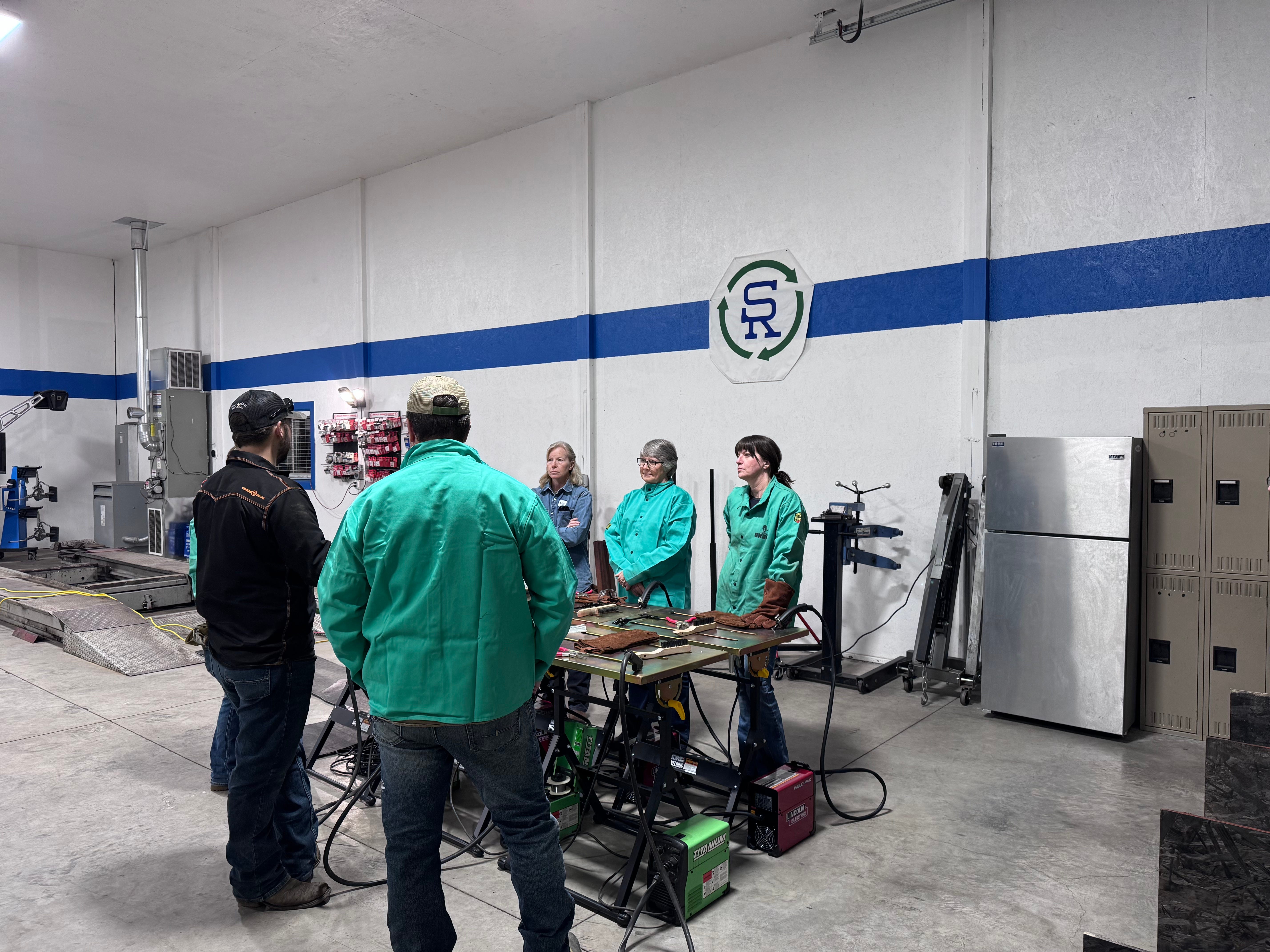
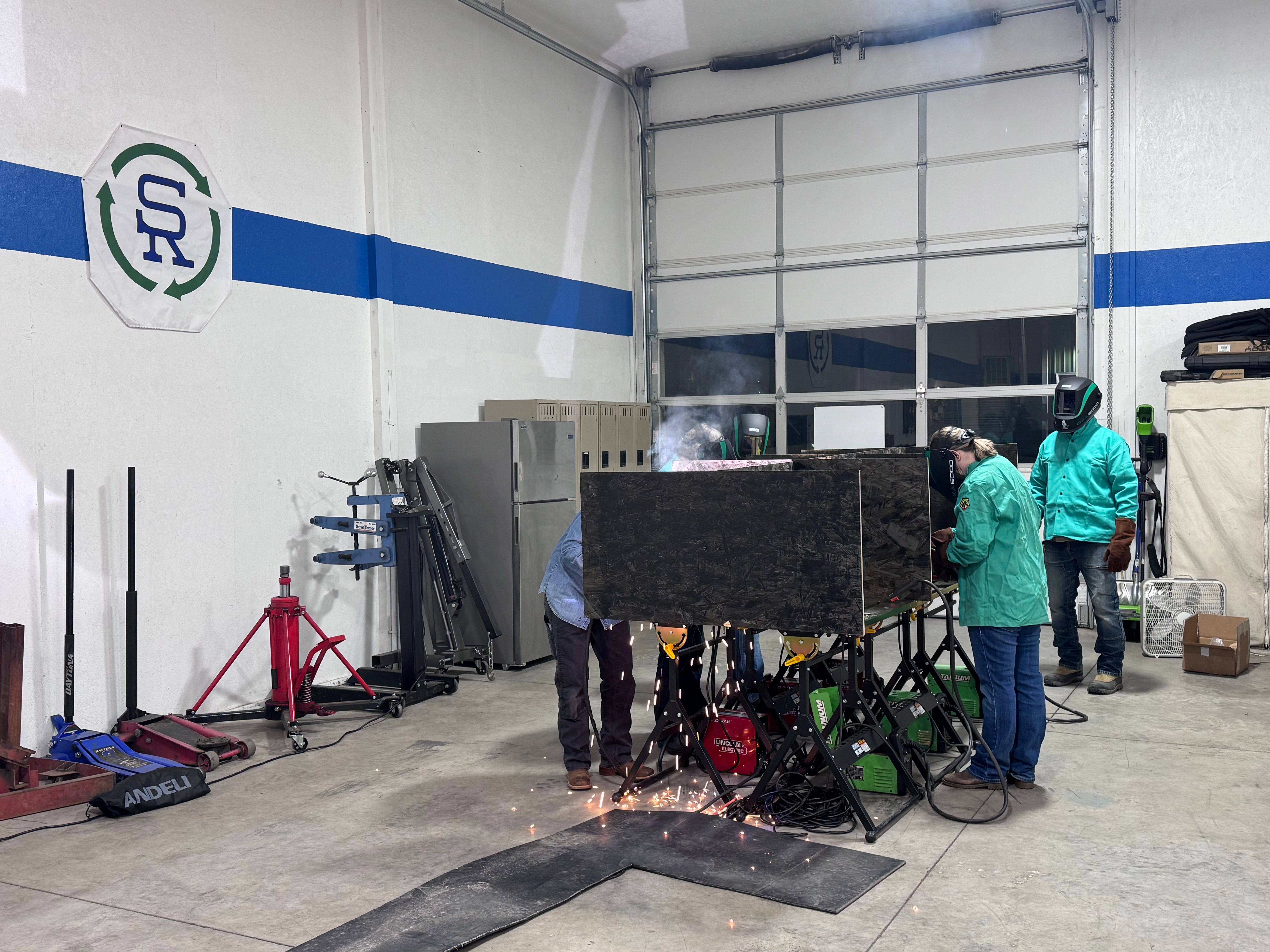
So there are all these opportunities that just come from setting the table and letting the magic happen.
Rebecca: C4C has also built a database of local meeting spaces, a civic leadership training program, and even their own clubhouse.
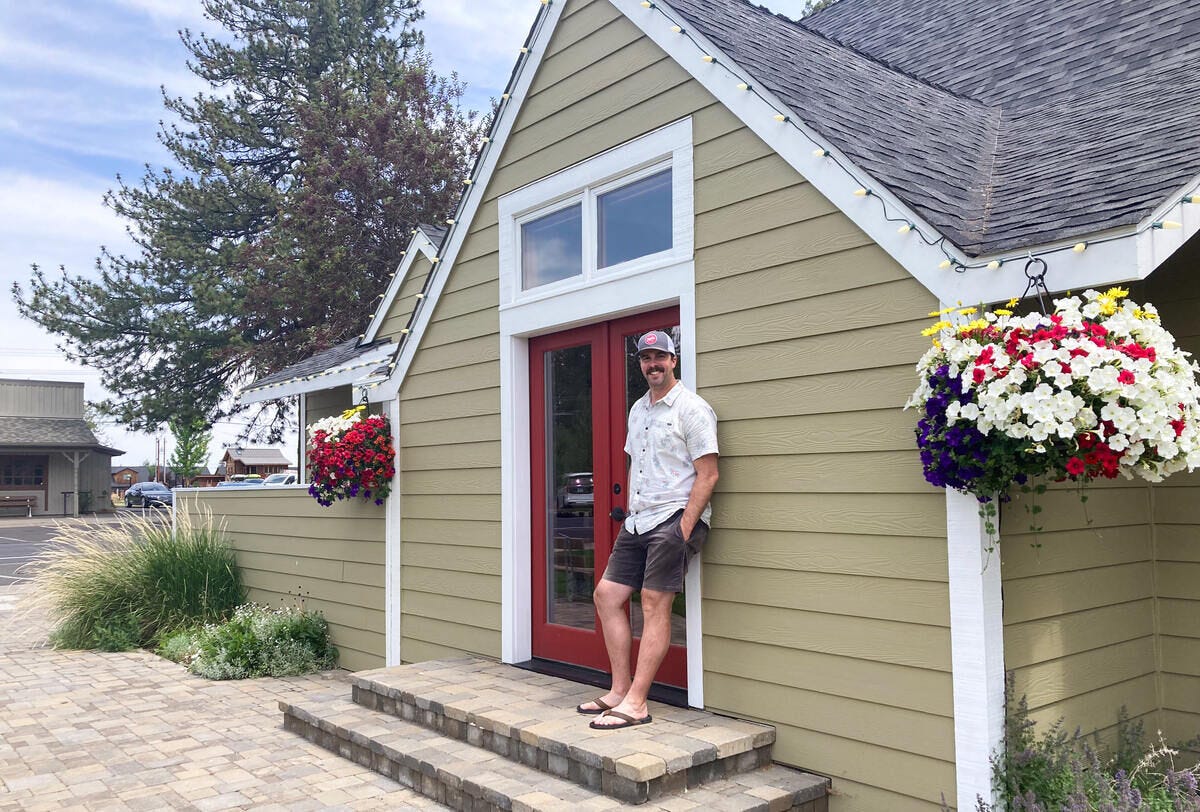
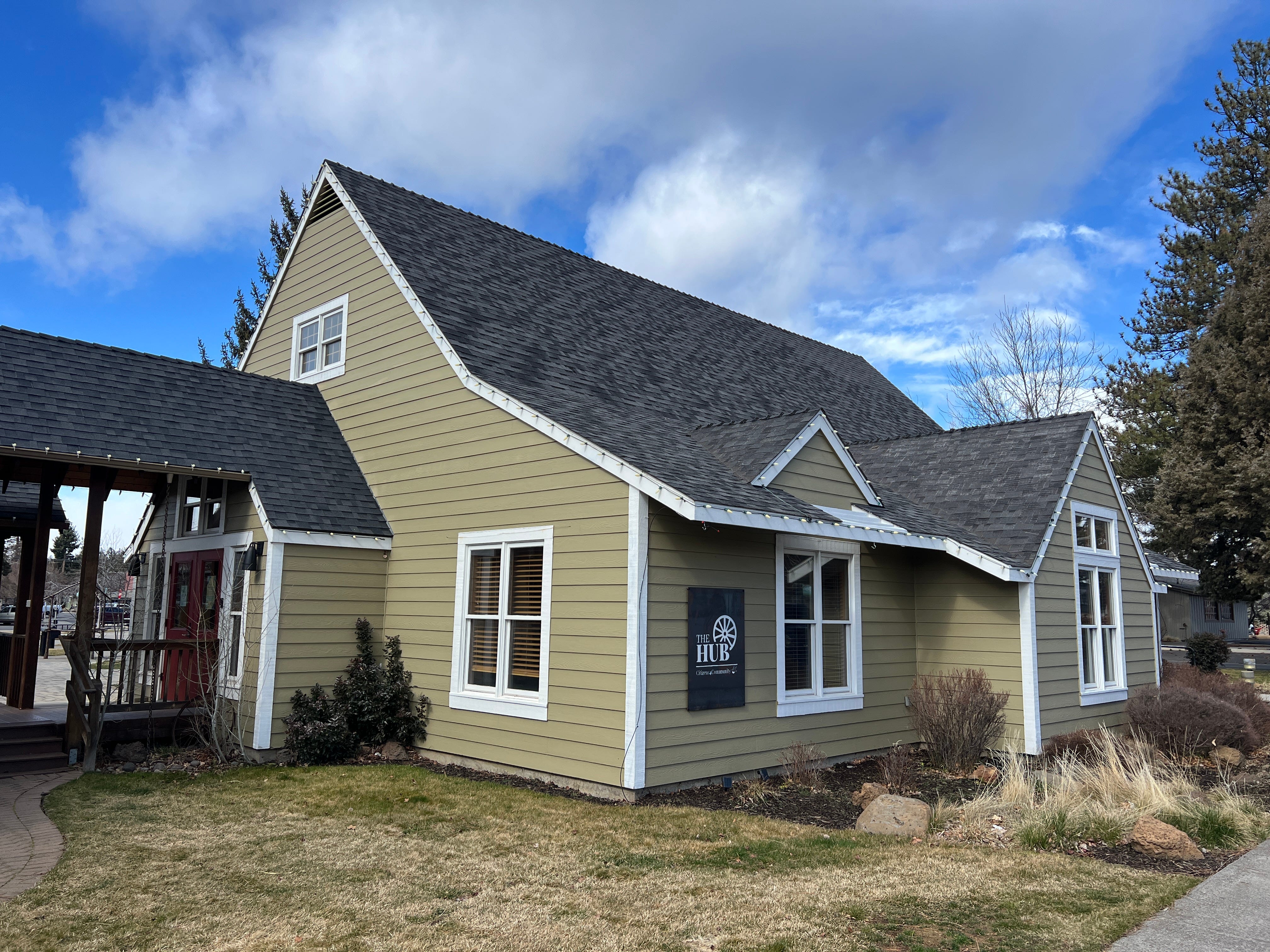
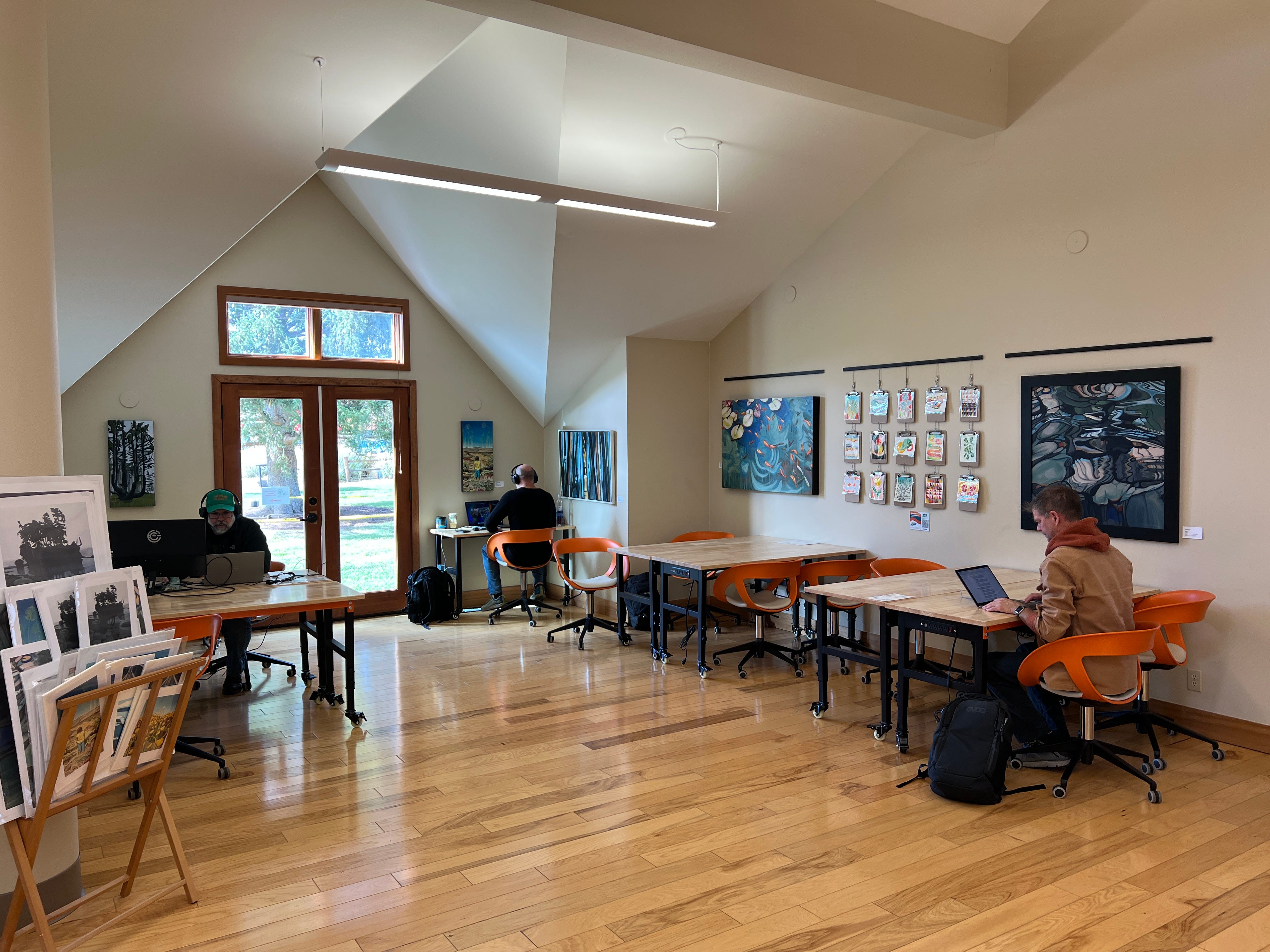
Kellen: We now also run this literal building in the center of town called The Hub, which is a pro-social community workspace. It’s donation-based co-working — no memberships, just drop in, pay what you can. We have bookable meeting space for local groups. We have a bunch of after-hours events and programming, some designed by us and some designed by other community groups, all sliding scale. It’s designed to be an accessible place for people to gather. So we’re doing events and programming and physical spaces — all trying to get people to get together.
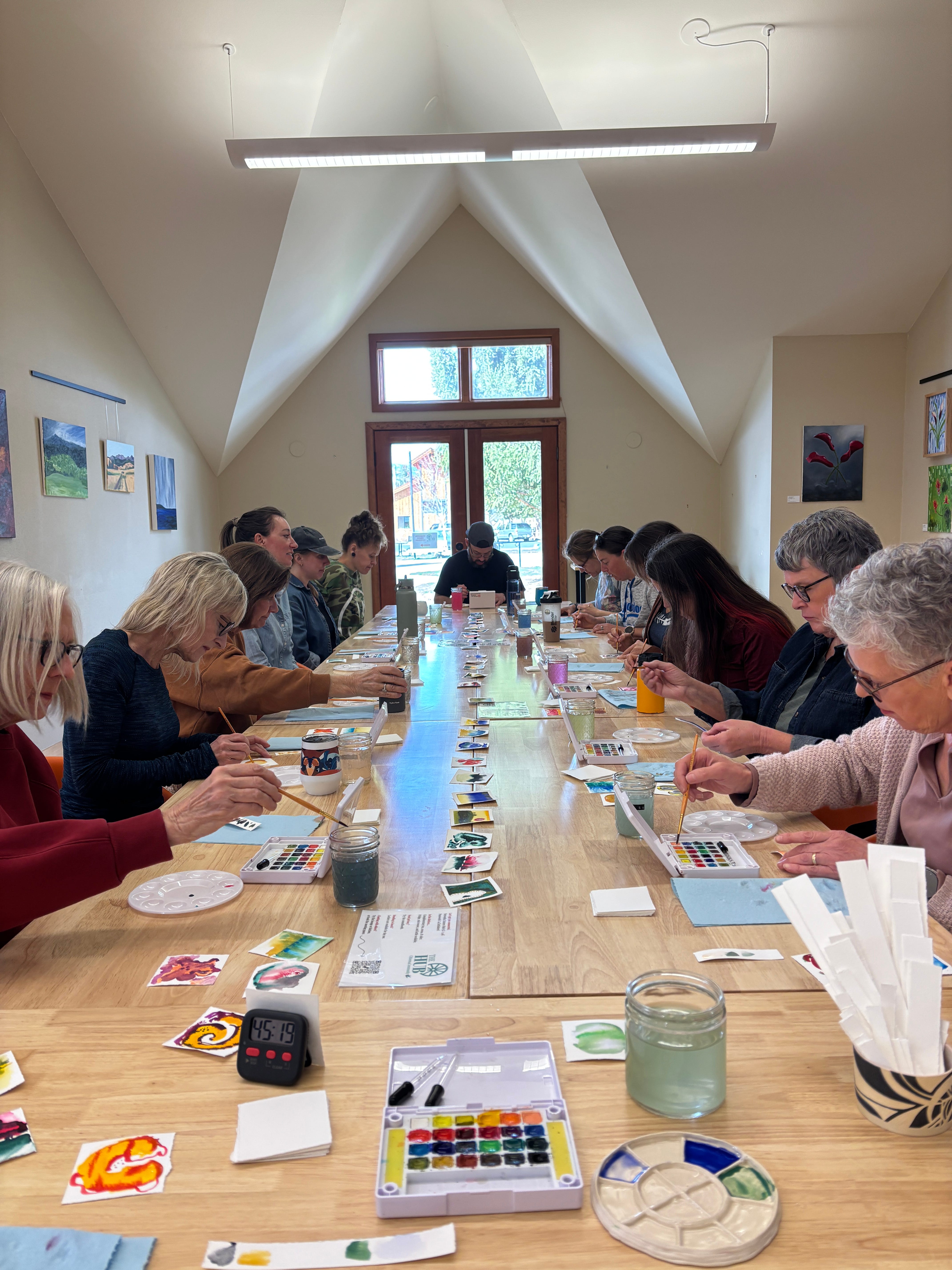
Rebecca: And all of this community-building of community builders is paying off.
Kellen: Once that trust happens, I can pick up the phone and call, like, the local cold weather shelter if I meet someone who comes into my space looking for some resource that I don’t know what is, and I call them and say, Hey, Lou, do y’all do this? Or do you know who would do this? That sort of organic matchmaking happens from that.
We really now view ourselves as a backbone organization for the broader civil society ecosystem in Sisters country. We want to be an organization that — regardless of where you are on your community-building journey — we have resources to support you. If you’re just getting started, come to our Community Builders Meeting and figure out where are the opportunities for you to get further engaged, or where are the like-minded folks that can support what you’re doing. You’ve got an idea and you want to keep going? Come to The Hub and work here and meet with other people — a physical space where you can start bringing your idea to life. So we’re going to help hold your hand as you become a better leader.
If we’re going to be making a connected community, we need to be in the business of actually stewarding more positive relationships, both at the individual level but also at the organizational level. Like we have a Rotary club and a Kiwanis club in town — due to COVID and recent history, they just weren’t really working together, even though they have a lot of overlapping shared values and mission. Well, we had a nonprofit showcase at a local community concert, and we helped coordinate all these nonprofits tabling next to each other. We put Rotary and Kiwanis right next to each other. And turns out: The board presidents of each started chatting and they were like, hey, why aren’t we working together more? And they just started talking. And lo and behold, they’ve been collaborating on projects ever since — building a greenhouse for the local elementary school and building beds for local kids in need, and all this stuff. So again: put the right people together and sometimes they figure out by themselves ways to work together more effectively.
Rebecca: These connections are especially critical when times get tough.
Kellen: Last year, the Flat Fire threatened our town. Tons of people were evacuating.
And I think this is a testament to why just relationship building for relationship building’s sake is so important. On that Saturday while we were evacuated, the mayor of Sisters called me and said: Hey Kellen, you’ve got the Rolodex of all the local community groups, you have the relationships — would you be willing to help me coordinate a call so we can chat with all of these local community groups about how they’re doing, get information out to them so they can share with their constituents, assess what they might have to offer? Kind of like a virtual version of our community builders meeting — offers, needs, coordinating all that stuff in real time.
And I said, yep, absolutely. I blasted this email out and within 48 hours we’d stood up a call of over 50 local leaders to be able to share this information. We started having that call on a weekly basis as things progressed into recovery. And then all these people started coming to us saying: I want to support, I want to help, where do I go, where do I channel this money? So I called another local nonprofit that does more case management work and said, hey, would y’all be willing to set up a relief fund? Within 24 hours they had that stood up, and we were able to funnel $15-to-20K to that organization from the community for helping get some of the wildfire victims back on their feet.
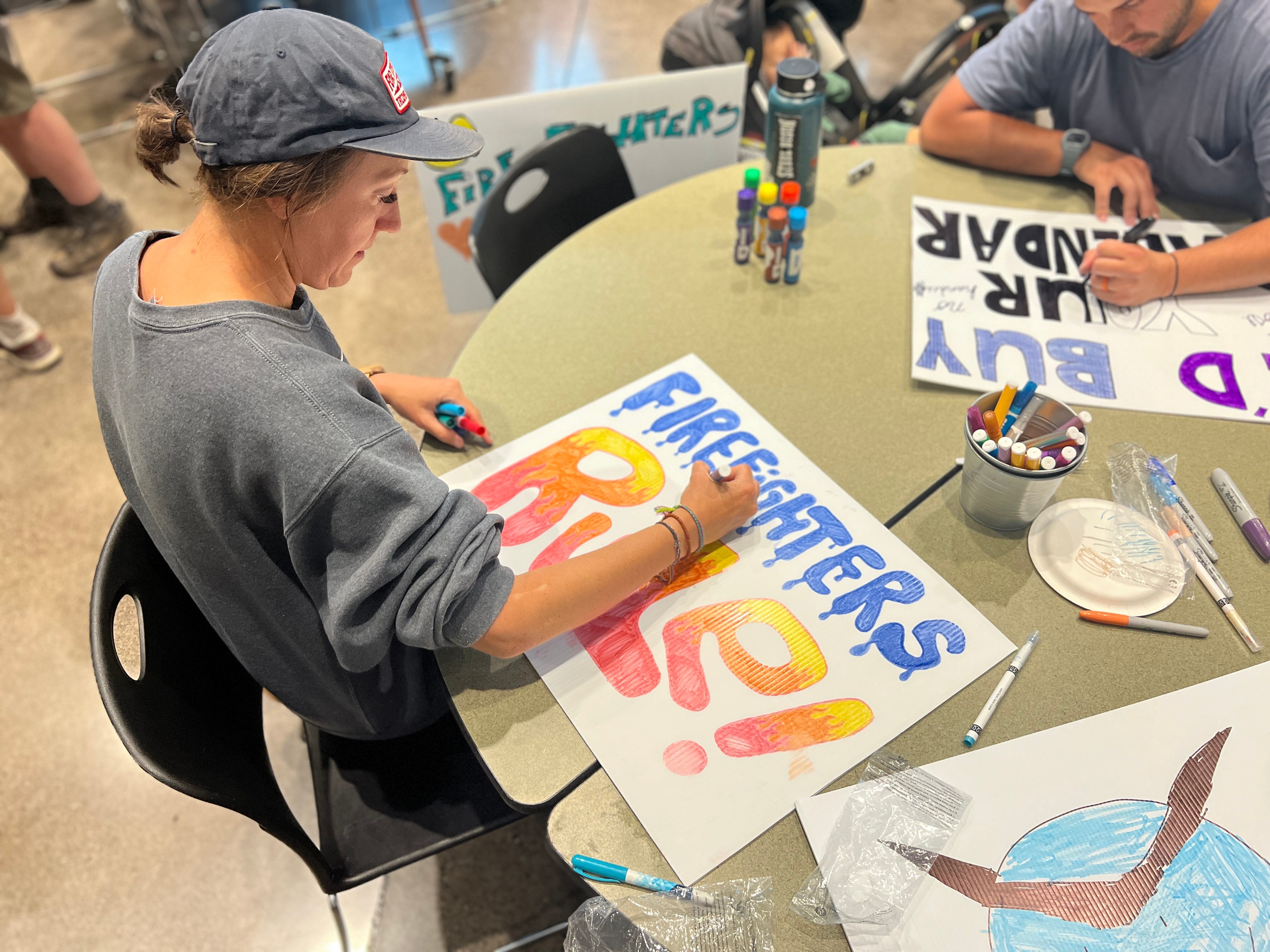
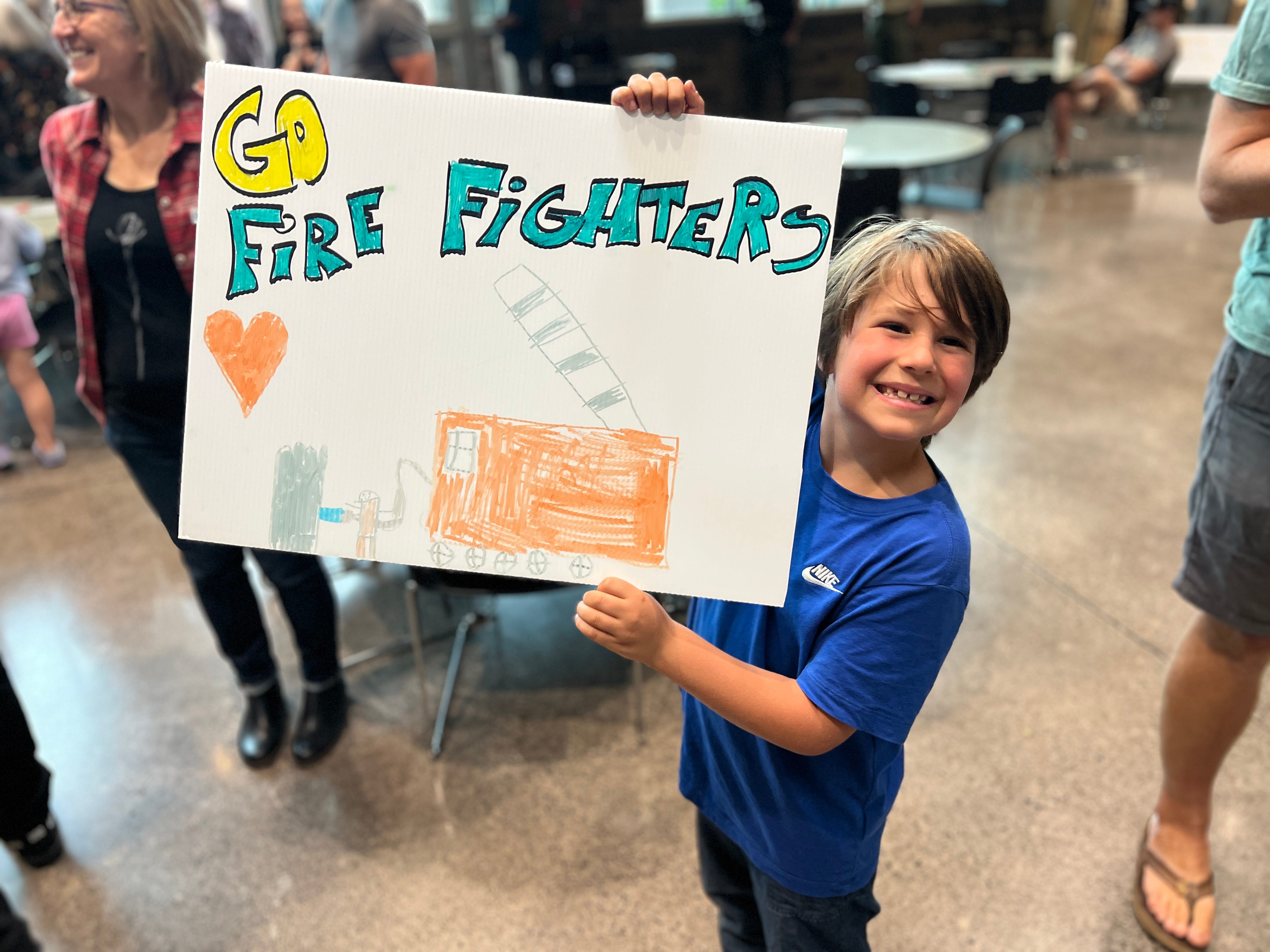
Afterwards I realized: We do the fun stuff so that we can do the hard stuff. Building those relationships and making people — whether it’s community members or local leaders — trust one another makes it so much easier when times get tough to call on those people and say, hey, can you help me out, I’m in a jam? Or, hey, what do you need? I know that you’re probably struggling and I know this person over here that I can help connect you with to make that happen.
Pete: Here’s Kellen’s advice for starting a similar organization in your community.
Kellen: You don’t have to overthink it. People are hungry to get together and have relationships, and sometimes just setting the table is enough. I think the other side of that is — you know the Field of Dreams thing: If you build it they will come? Well, I think it’s: If they build it, they will come. If you invite other folks into the creation process, they are more incentivized to take part in it, to invite their friends, to recruit people. Trying to get more people in the room and inviting other people to envision what they want to see can be a really powerful way to get people together.
💡 Learn more
⇛ Follow the latest from Citizens4Community here
⇛ Check out C4C’s upcoming Community Builders Meeting here
🍿 Bring JOIN OR DIE to your community
Want to host a JOIN OR DIE screening with your community? Let us know using the button below and we’ll get in touch with more information about how to host:
Or join for an upcoming Zoom info session:
Wednesday, April 8th from 12:30PM ET to 1:00PM ET — Zoom Presentation on Community Screenings with Director Rebecca Davis
Wednesday, April 15th from 4:30PM ET to 5:00PM ET — Zoom Presentation on Community Screenings with Director Rebecca Davis
⏱️ Catch JOIN OR DIE on NETFLIX before April 18th!
The focus of our distribution remains our in-person screening tour which just passed 540 community screenings this week!
If there isn’t an upcoming community screening happening near you and you’re interested in previewing the film at home before hosting your own community screening event, you have 10 more days to check out the film here on Netflix.

More news coming soon on how to preview the film at home after April 18th…
📣 Spread the message
Know someone who’d be moved to action by Kellen’s story?
Inspired by someone who you think we should feature in a future WAYDATYCBDT who chose to do something that they could have done alone…together? Comment below!


